









Slim Cooler Buying Guide for Supermarkets
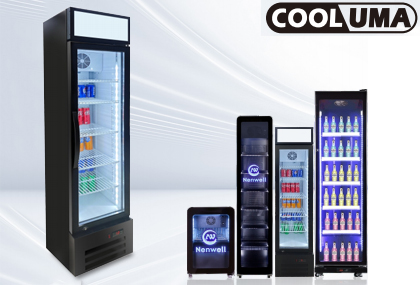
Supermarkets in every country and region around the world purchase a large number of slim coolers for storing cola, beverages and dairy products. Limited by store size and ambient temperature in different locations, procurement must be based on actual operating conditions.
1. Brand Selection
There are hundreds of beverage cooler brands worldwide, each with its own intellectual property rights, brand reputation and pricing. Choosing blindly will lead to poor cost‑performance and unnecessary losses. To avoid these risks, please refer to the following points:
Top 10 Brands
- On the one hand, well-known brands provide reliable after-sales service. They have a global service network for slim coolers, making delivery and on-site maintenance very convenient.
- On the other hand, equipment quality is trustworthy. Compared with niche brands, they have rich experience and strong technical and financial support — advantages that many small beverage cooler manufacturers do not have.
Of course, you should compare multiple suppliers when choosing commercial refrigeration equipment. Due to brand premium and policy factors, some manufacturers may charge higher prices. Comparing multiple options helps you make a more cost-effective decision.
Note: The top-ranked cooler manufacturer is not always the best choice. You need to conduct a comprehensive analysis and evaluation.
Brand Reputation
Major brands generally enjoy high reputation, but some still perform poorly. You should understand the difference between overall reputation and regional performance. Since most brands serve multiple product lines, user ratings may vary by model. When purchasing a specific slim cooler, analyze the reputation of each supplier comprehensively. It is not recommended to choose brands with many negative reviews.
Brand Premium
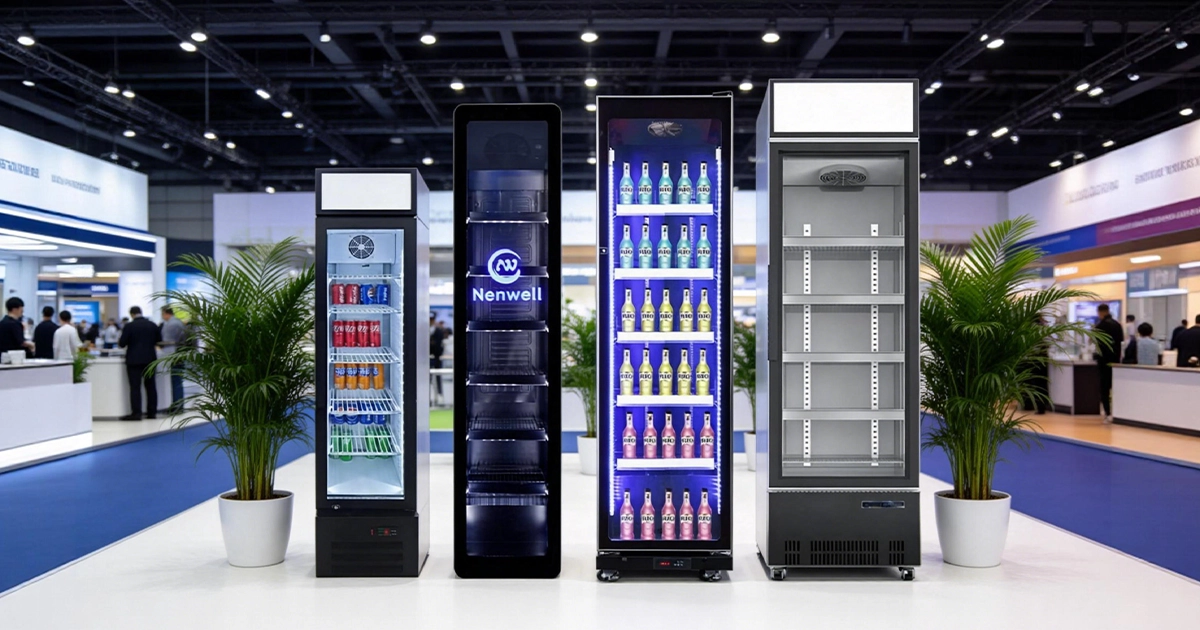
Although well-known brands are reliable, you will find after comparing many manufacturers that some less popular brands offer lower premiums and stable quality. For example, Nenwell is a Chinese refrigeration equipment manufacturer and service provider, supplying products at nearly factory prices with strict control over production, transportation and delivery.
2.Key Purchasing Considerations
You should first clarify where the slim coolers will be used. They are widely applied in small chain supermarkets, individual stores and shopping malls. For these scenarios, size, capacity and temperature are the core factors to consider.
Usage in Different Scenarios
Small supermarkets and individual stores have a high demand for slim coolers, with a typical temperature range of 2–8°C. Focus on cost‑effective functions and reasonable pricing. Advanced features are usually unnecessary, and standard parameters are sufficient. This helps lower the price and reduce procurement costs.
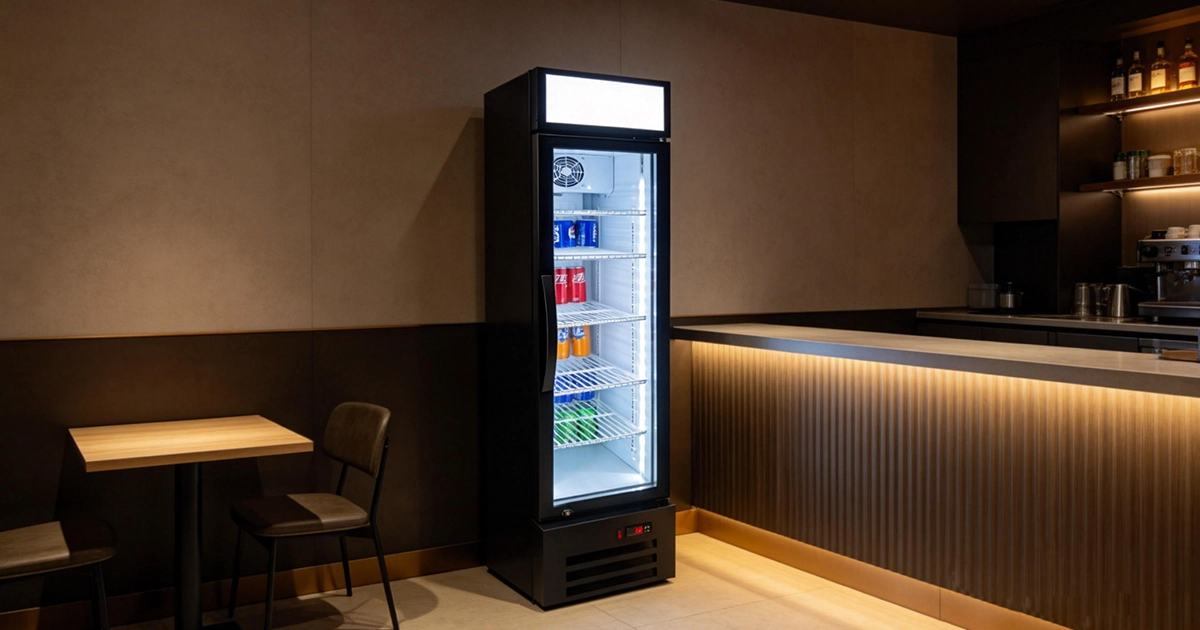
Large shopping malls rarely use slim series beverage coolers, mainly due to limited capacity. High-capacity models have obvious price advantages and can store more cola and beverages.
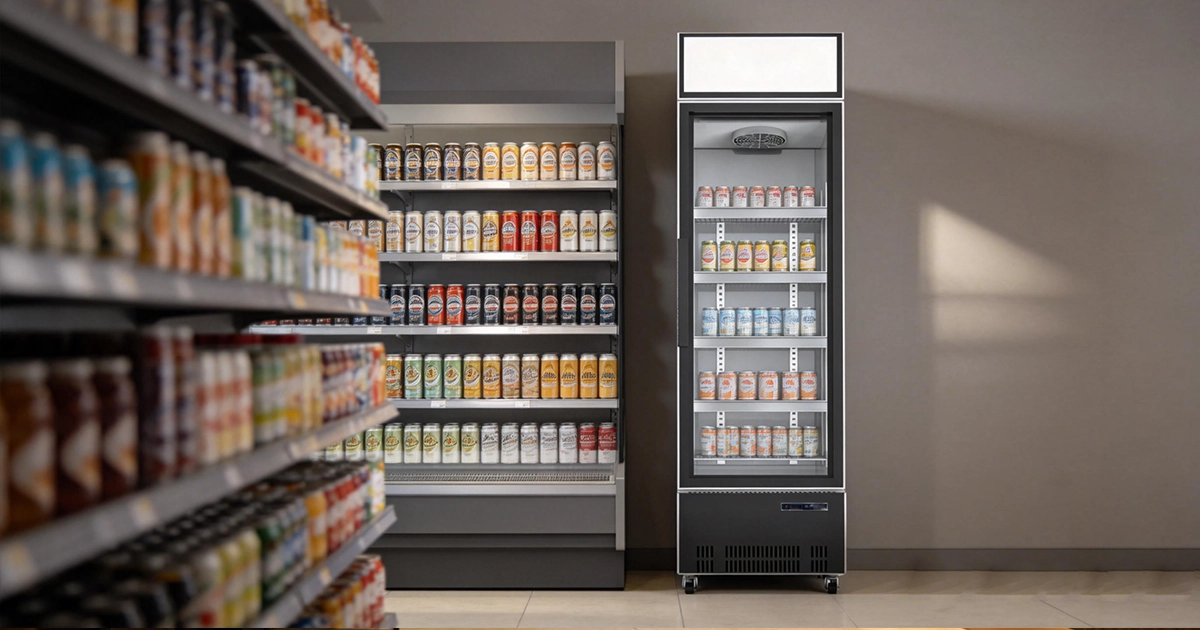
In addition, larger units are easier to maintain. Using multiple small coolers leads to a higher failure rate. Choosing fewer large coolers reduces maintenance difficulty and cost, as you do not need to inspect each unit one by one.
Specifications and Parameters
The focus of procurement is to confirm clear specifications, such as temperature, capacity, material and others.
- Temperature: Pay attention to local ambient temperature changes, as this affects the compressor power of the cooler. In 2025, European and American customers purchased Nenwell refrigeration equipment that passed factory temperature testing, but actual temperature was 2°C lower after arriving overseas. The problem was solved by adding dual air ducts and upgrading to higher-power compressors. This case shows the importance of matching temperature performance with actual usage environments.
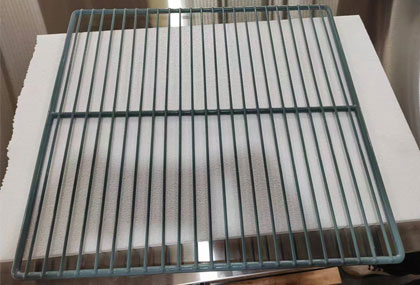
- Shelving: Heavy-duty and height-adjustable shelves are equally important. Clear numerical ranges must be confirmed to avoid future problems.
- Service: If customers provide unclear specifications, suppliers should offer more parameter options to help reduce costs and improve user experience.
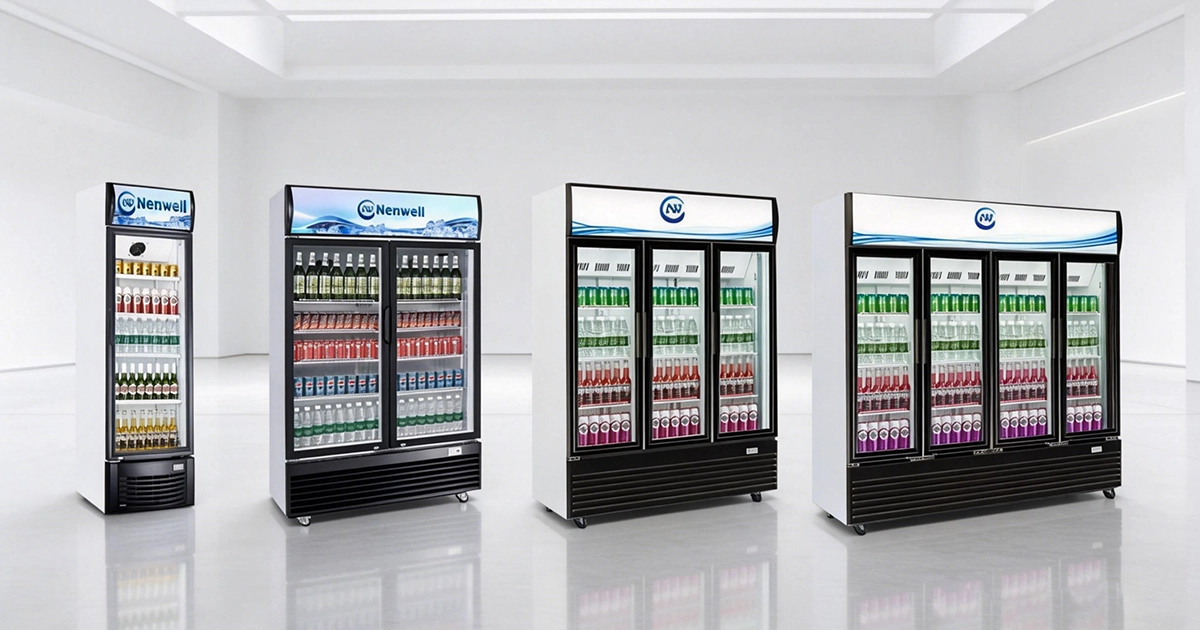
For capacity, there are single-door, double-door and other large-capacity glass-door coolers. Select the specific type based on your procurement list.
Energy Consumption and Certifications
Buyers should understand relevant energy consumption data and certification requirements. Certifications include CE, UL, ISO and others. Ensure certificates match the product category and avoid mismatched or fake documents, otherwise greater losses may occur.
3.After-Sales Service Guidelines
Whether you choose a well-known brand supplier or a niche service provider, after-sales support is critical to procurement. On-site inspections are usually recommended to understand actual after-sales capabilities.
Most popular More «
-
Selection Guide for Shelving Systems of Refrigerated Beverage Display Cabinets
-
How to Control the Procurement Cost of Open Refrigerated Display Cabinets for Supermarkets
-
Air vs Direct Cool Cake Cabinets Advantage and Disadvantage
-
How to Choose an Open Display Cooler for Your Fruit Store?
-
What Is the Standard Temperature for Dessert Display Cabinets?
-
Top Compact Upright Display Cooler for Retail Businesses
-
SM15A Commercial Slush Machine Specification
-
Commercial Pastry Display Case Buying Guide for Bakeries & Cafés
-
Cooluma Ice Machines for Seafood Sections in Supermarkets
-
Cooluma Turnkey Coffee Shop Solution