









Coffee Shop Display Case Buying Guide
In May 2026, while conducting an on-site inspection of the offline specialty coffee market along the U.S. West Coast, I visited an independent coffee shop. The store’s decor was understated rather than ostentatious, yet exuded an upscale, clean, and inviting ambiance that resonated deeply with customers. It is no exaggeration to say that it won widespread acclaim from visitors. As I observed, the shop was not overly luxurious, yet it maintained a consistently high foot traffic. Later, I learned that the owner had previously struggled with operational losses. He shared numerous insights from his turnaround journey, emphasizing that every display case in the store was carefully selected, which I have summarized into four key takeaways.
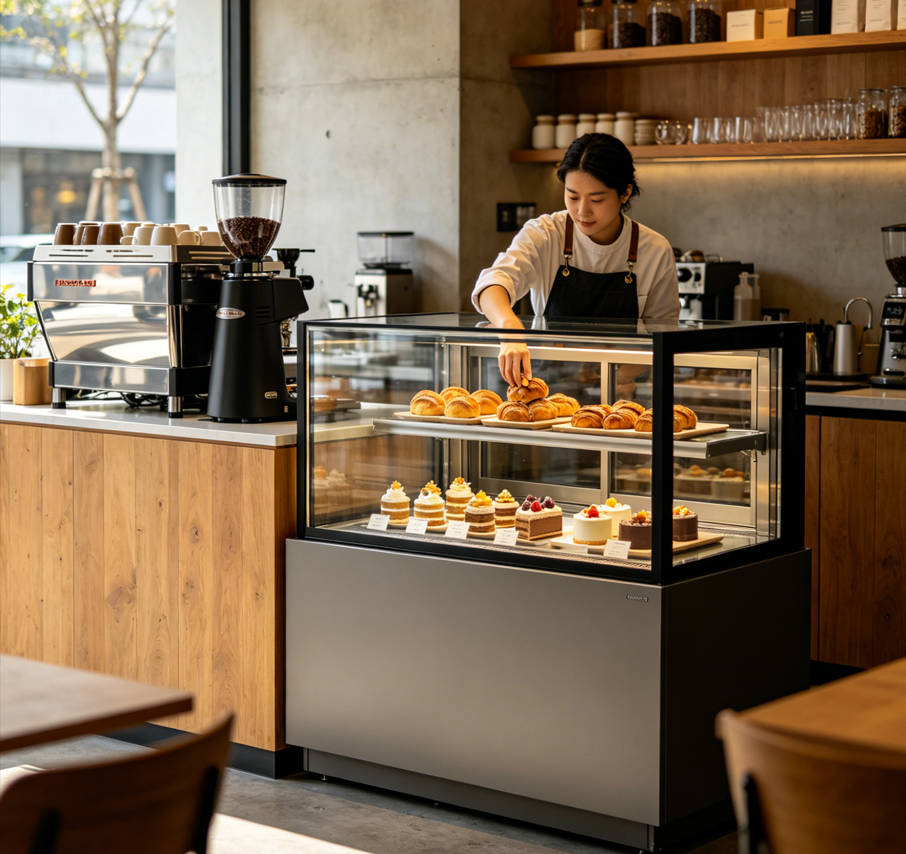
1. The Critical Importance of Equipment Material Selection
90% of startup coffee shops make material selection mistakes when procuring display case equipment. For instance, polished stainless steel, a common low-cost option, has inherent drawbacks: it causes severe glare, which creates visual discomfort for customers. Switching to a matte finish delivers significant improvements. If your store has already purchased polished stainless steel equipment, matte waterproof stickers can serve as a cost-effective remedial solution.
In contrast, matte stainless steel has become the mainstream industry choice. This material features a fine, premium texture that is glare-resistant, fingerprint-proof, scratch-resistant, and wear-resistant. It diffuses lighting evenly and softly, eliminating harsh light spots, while perfectly accentuating the color and texture of food items inside the glass case. The overall visual effect is clean, cohesive, understated, and timeless, compatible with over 90% of modern coffee shop interior design styles.
It is critical to note that materials in direct contact with food must comply with food safety certifications and be supported by official qualification documents.
2. Poor Display Performance and Subpar Visual Presentation
Coffee shops typically house core equipment such as display cases, espresso machines, and coffee grinders. However, many operators prioritize only equipment functionality while neglecting the synergy between placement, display case design, and overall spatial layout. This oversight leads to prominent issues of cluttered space and diminished perceived quality.
Furthermore, many startup stores, in an attempt to streamline operations, place display cases haphazardly against walls or cram them directly next to espresso machines and ingredient racks. This results in overcrowded bar counters, chaotic workflow layouts, and visual fatigue for customers.
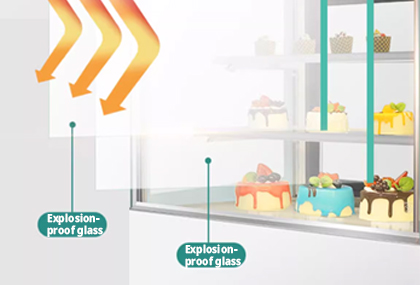
Compounding these issues, low-quality display cases often feature glass with poor light transmission that is prone to fogging, paired with warm yellowish internal lighting. Even if the shop serves premium coffee, these flaws prevent desserts from presenting an appetizing appearance. Customers entering the store fail to see clear, clean, and upscale product displays, significantly reducing their likelihood of impulse add-on purchases.
The correct implementation approach is as follows:
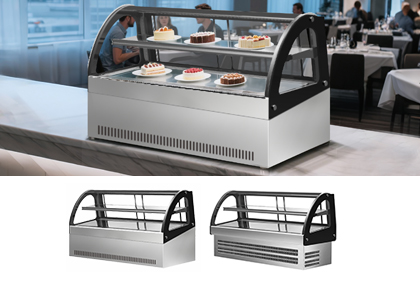
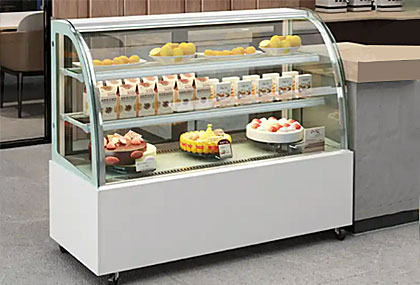
- Customize a refrigerated display case that aligns with your store’s aesthetic, featuring an elegant curved profile, ultra-slim body, and minimalist black frame.
- Position the unit at the bar’s prime customer-facing spot, away from clustered equipment. This not only enables staff to access items conveniently and boost operational efficiency but also leverages the transparent glass to create a clean, organized display zone.
In summary, a rational layout paired with a high-quality cabinet design enhances the customer experience without incurring additional marketing costs.
3. High Energy Consumption and Excessive Operational Noise
Coffee shops operate on extended daily schedules, with average business hours exceeding 10 hours, and most units running around the clock during peak seasons. Most low-cost generic display cases utilize outdated compressors, inferior insulation layers, and conventional refrigerants, leading to high energy consumption, poor heat dissipation, and loud operational noise.
On one hand, these outdated devices consume excessive electricity, resulting in monthly energy bills far higher than those of compliant commercial equipment, accumulating into substantial long-term operational costs. On the other hand, inferior compressors lack effective shock absorption, generating operational noise exceeding 60 decibels. This persistent rumbling disrupts the quiet, comfortable leisure atmosphere of coffee shops, undermining the in-store experience, reducing customer repurchase intent, and also increasing staff fatigue in the noisy working environment.
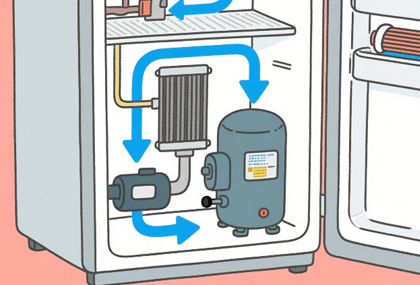
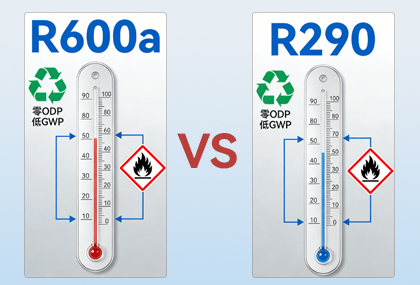
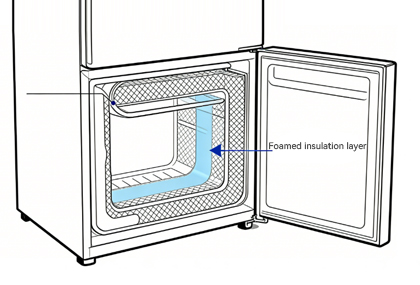
Targeted Solutions and Implementation Process: Opt for professional coffee shop-specific refrigerated display cases equipped with branded silent energy-saving compressors. These units adopt the new R290 eco-friendly energy-saving refrigerant, paired with high-density thickened polyurethane insulation layers, which deliver superior temperature retention, drastically reducing compressor cycle frequency and energy loss. Additionally, the entire unit features an optimized shock absorption structure with silent anti-vibration foot pads, mitigating noise from the compressor and fan at the source. The equipment is engineered for long-term commercial standby operation, supporting 24/7 uninterrupted running. Its scientific heat dissipation design, with compliant rear ventilation space, eliminates risks of overheating overload and excessive energy consumption.
The device limits operational noise to under 45 decibels, approaching ambient silent levels, perfectly suited for the tranquil consumption scenarios of coffee shops. It does not interfere with customers’ rest or social interactions, significantly optimizing the in-store experience.
Compared with generic low-cost devices, this energy-efficient configuration reduces electricity consumption by 20%-30%, generating substantial long-term savings on utility bills and lowering the store’s hidden operational costs. Meanwhile, the stable, overload-resistant compressor drastically extends the equipment’s service life, reducing additional expenses from frequent repairs and replacements.
4. Poor Compatibility, Limited Durability, and Cumbersome Cleaning
Many coffee shop owners blindly follow trends when purchasing cold storage equipment, neglecting the compatibility between the unit and their store’s dimensions and operational scenarios. This often results in units that are either oversized, occupying valuable bar operation space, or undersized, failing to meet inventory preparation needs.
Targeted Solutions: Adopt scenario-based customized designs, with multiple standard sizes including 1.2m, 1.5m, and 1.8m, catering to the spatial requirements of small community shops, medium-sized specialty stores, and large chain locations. The narrow-depth body avoids encroaching on bar operation space, perfectly aligning with the workflow design of coffee shop premises.
The entire unit features a 304 food-grade stainless steel inner liner, which is corrosion-resistant, acid and alkali resistant, water and oil proof. It allows for direct wipe-down cleaning of milk stains, fruit syrup, and oil stains, enabling effortless daily maintenance.
The body adopts an integrated molding process with seamless gaps that prevent dirt accumulation, paired with removable shelves. This makes daily cleaning and in-depth maintenance simple and efficient, fully complying with food service hygiene regulations.
It maximizes the use of the bar’s prime display space without interfering with staff’s normal order preparation operations, optimizing the store’s operational workflow and improving work efficiency.
By conducting regular daily hygiene inspections and maintaining a clean store environment, you can deliver the optimal experience for customers, thereby earning higher reputation ratings.
Most popular More «
-
Cooluma Ice Machines for Seafood Sections in Supermarkets
-
Cooluma Turnkey Coffee Shop Solution
-
How To Choose Commercial Display Freezer For Ice Cream Shop
-
Solutions to Glass Fogging & Water Dripping for Café Cake Display Fridges
-
How to Optimize Packaging for Commercial Refrigerator Spare Parts to Reduce Import Costs
-
Cooluma Unveils New Commercial Ice Makers, Beverage Dispensers and Slush Machines
-
BC Series Can-Shaped Beverage Coolers
-
Do Cakes Require Commercial Refrigerators?
-
Best EC50 Mini Beverage Cooler for Global Export
-
Guide to Floor-Standing Refrigerated Cabinets for Coffee Shops