









Why can Cooluma cake cabinets be sold at a low price?
In the commercial cake display cabinet market, Cooluma's low-price positioning has always stood out—its 1.2-meter cake display cabinets are priced 20%-30% lower than mainstream brands like Xingxing and Lechuang. Many startup bakeries and neighborhood dessert shops include it in their shortlist. But behind the low price tag, is it genuine value for money, or does it hide invisible cost-cutting measures?
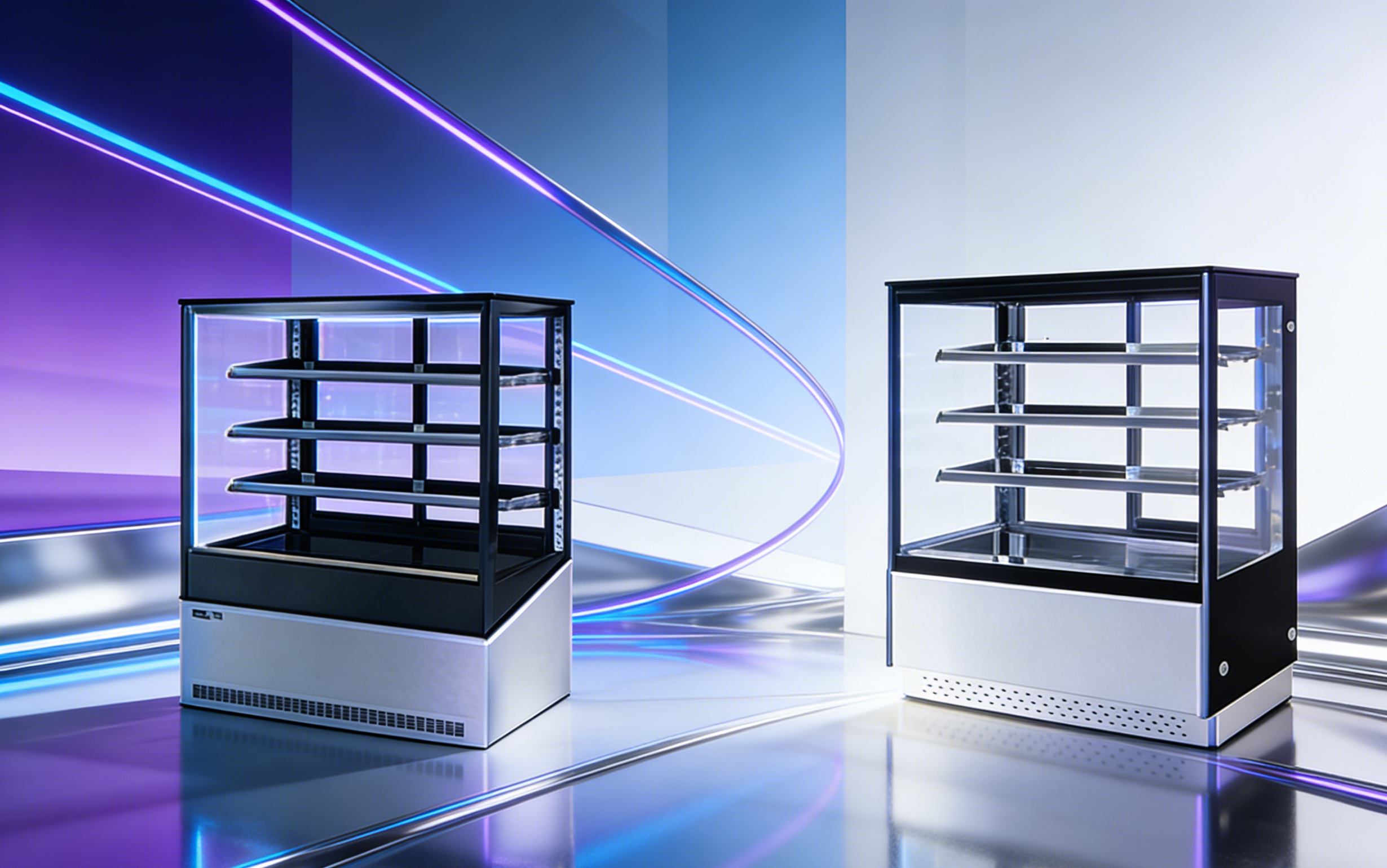
By examining industry supply chain dynamics and the cost structure of commercial refrigeration units, we'll break down the five core factors driving low prices to help you determine if it's worth the investment.
I. Domestic Compressors Replacing Imports: 30% Cost Reduction
The compressor is the “heart” of a cake display cabinet and its most costly component (accounting for 35%-40% of total unit cost). High-end cabinets typically use imported compressors like Danfoss or Embraco, which offer stable cooling, low noise, and a lifespan of 8-10 years.
One core strategy behind Cooluma's low pricing is its use of mid-range domestic compressors. These units cost only 60%-70% of imported models. While they meet basic refrigeration needs (temperature range 2-8°C), their cooling efficiency and stability are compromised—for instance, cooling times may be 1-2 hours slower than imported units in high-temperature summer conditions, and long-term failure rates are slightly higher. However, for small shops with limited budgets and low daily door traffic, they generally cover essential needs.
For custom models with special requirements, premium imported compressors may be used. As technology advances, the price gap between domestic and imported compressors continues to narrow.
II. Sacrificing “Premium Features” to Prioritize Core Functionality
High-end cake display cabinets prioritize intricate craftsmanship: features like 8mm vacuum-sealed explosion-proof tempered glass, 304 stainless steel shelves, and integral foam insulation layers are common. Additional functions such as electric heating film anti-fog and automatic defrosting enhance user experience. However, each of these features incurs extra costs, making them impractical for ordinary supermarkets or bakeries operating on a standard budget.
Cooluma adopts a “minimalist configuration” approach: using standard 5mm tempered glass without anti-fogging (prone to fogging in low-temperature environments, affecting display); 201 stainless steel shelves that may show slight rust with prolonged moisture exposure; and segmented foam insulation with slightly reduced thermal efficiency (daily power consumption may exceed premium models by 0.5-1 kWh). Simply put, it abandons unnecessary “refined aesthetics,” retaining only the core “refrigeration + display” functions, naturally driving down costs significantly.
III. Low Brand Premium and Further Cost Savings
Brand premiums are highly evident in the cake display cabinet market: well-known brands like Xingxing and Haier carry a 15%-20% premium solely for their brand name. Add marketing expenses like offline exhibitions, e-commerce advertising, and celebrity endorsements, and these costs are ultimately passed on to the product price.
Cooluma, however, is a niche regional brand with virtually no nationwide marketing—it doesn't exhibit at industry trade shows, run online ads, or even maintain extensive official communications. This “zero-marketing” approach results in lower brand recognition but eliminates substantial marketing costs. Its niche positioning also frees it from “brand image maintenance” expenses, allowing pricing closer to production costs.
IV. Batch Standardized Production: Rejecting Customization to Reduce Costs Through Economies of Scale
Customization is a major driver of higher prices for commercial cake display cases—features like solid wood paneling tailored to store aesthetics, non-standard dimensions, or specialized color temperature lighting require manufacturers to create custom molds and adjust production lines, increasing costs by 20%-50%. Many premium brands offer customization to cater to high-end clientele.
Cooluma focuses exclusively on standardized mass production, offering only a few mainstream standard sizes like 1.2 meters and 1.5 meters, with color options limited to black and white. No personalized customization is available. Mass production allows manufacturers to significantly reduce raw material procurement costs (e.g., bulk purchasing compressors, glass, and other components can lower unit prices by 10%-15%), while also improving production efficiency and reducing scrap rates. These cost advantages ultimately translate into price advantages.
V. Streamlined Sales Channels: Direct Manufacturer Supply Eliminates Middleman Margins
Traditional commercial refrigeration equipment follows a lengthy sales chain: Manufacturer → Regional Distributor → City-Level Dealer → Retail Outlet. Each channel layer earns a 5%-10% markup, resulting in end-user prices exceeding factory prices by over 30%.
Cooluma primarily employs direct manufacturer supply via B2B platforms (like Alibaba) or partners with local small-scale distributors (retaining only one channel layer), directly eliminating multi-tiered intermediary markups. For instance, a cake display cabinet with a factory price of ¥2,000 might retail for ¥3,000 through traditional channels, whereas Cooluma's direct supply price ranges from ¥2,400 to ¥2,600—demonstrating a significant price advantage. However, this channel model has drawbacks: after-sales service relies primarily on local distributors, resulting in limited coverage. Remote areas may face difficulties accessing support.
The essence of low pricing lies in “cost trade-offs”—foregoing imported components, intricate craftsmanship, brand marketing, and custom services to focus solely on basic refrigeration needs. For budget-conscious startups like small bakeries, neighborhood convenience stores, or home baking studios (used only for temporary refrigeration), this represents a highly cost-effective choice. However, for large chain bakeries or high-end dessert shops prioritizing display aesthetics and long-term reliability, we recommend opting for models with more comprehensive features and more reputable brands.
Most popular More «
-
Air vs Direct Cool Cake Cabinets Advantage and Disadvantage
-
How to Choose an Open Display Cooler for Your Fruit Store?
-
What Is the Standard Temperature for Dessert Display Cabinets?
-
Top Compact Upright Display Cooler for Retail Businesses
-
SM15A Commercial Slush Machine Specification
-
Commercial Pastry Display Case Buying Guide for Bakeries & Cafés
-
Cooluma Ice Machines for Seafood Sections in Supermarkets
-
Cooluma Turnkey Coffee Shop Solution
-
How To Choose Commercial Display Freezer For Ice Cream Shop
-
Solutions to Glass Fogging & Water Dripping for Café Cake Display Fridges