









2026 Commercial Use Cake Display Cabinet Caster Selection Guide
In the bakery industry, cake display cabinets are essential for showcasing pastries and critical equipment for food safety. Casters supporting these refrigerated display cabinets may seem insignificant, yet they directly affect the equipment's mobility, stability, service life, and even food safety and operational safety. Cooluma previously released a caster guide; this version offers more detailed explanations and comprehensive selection references to help you gain in-depth understanding.
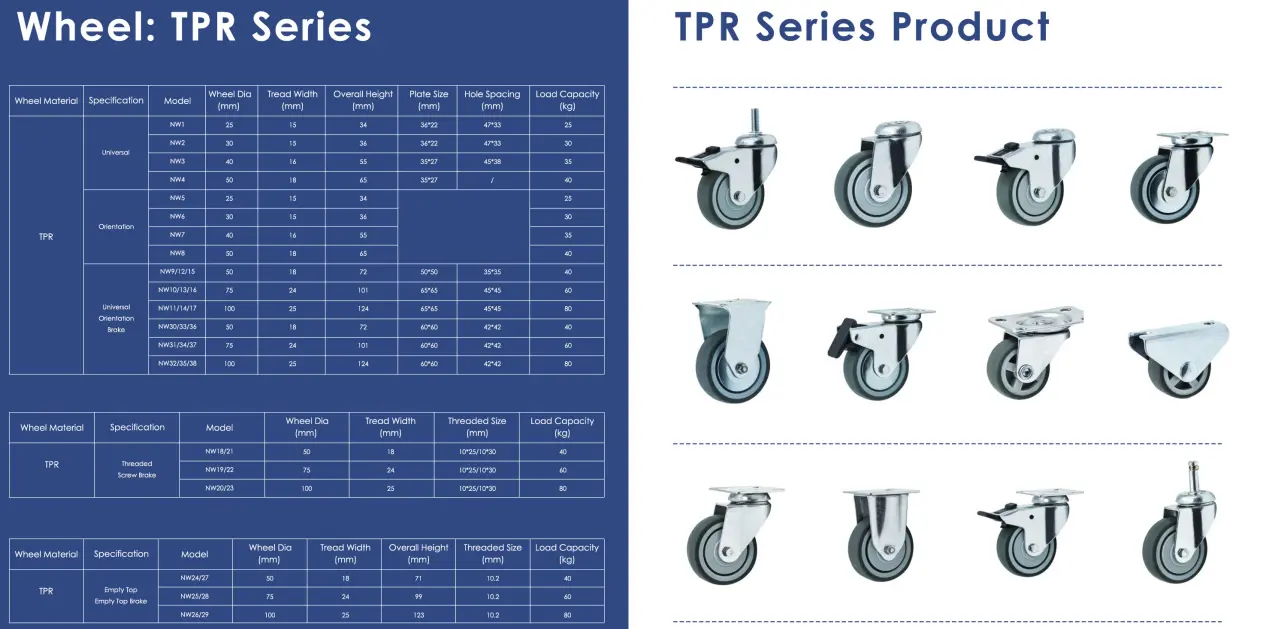
I. Core Functions and Selection Principles of Cake Cabinet Casters
1. Core Functional Positioning
Though simple in appearance, cake cabinet casters undertake four core functions:
Mobility Convenience: Facilitate position adjustment, cleaning, maintenance and space optimization of cake display cabinets
Stable Support: Ensure the stability of refrigerated equipment during operation and display to prevent tipping
Floor Protection: Avoid scratches caused by direct contact between metal cabinets and the floor, and reduce noise
Height Adjustment: Some casters feature a leveling function to adapt to uneven floors and keep the cabinet horizontal
It is worth noting that Cooluma's 12 series of cake refrigerated cabinets (RA, RB, RC, RD, RE, RF, RG, RH, CA, CB, CC, CD) adopt professional design and are equipped with optimal matching casters.
2. Core Selection Principles
The following principles should be followed when selecting cake cabinet casters:
Load-bearing Matching: The load capacity of a single caster shall be no less than 1/4 of the full load weight of the cabinet with a safety margin reserved
Environmental Adaptability: Consider the low-temperature characteristics of the refrigerated environment, floor materials (tile / epoxy / carpet) and cleaning frequency
Functional Requirements: Select the appropriate type according to movement frequency, fixing needs and space conditions
Safety First: Prioritize casters with brake functions to ensure equipment safety
In addition to the above principles, you can put forward questions based on actual usage needs, and Cooluma will clarify key points for you.
II. Main Classification System of Cake Cabinet Casters
(1) Classification by Structural Function (Basic Classification)
1. Fixed Casters
Structural Features: The bracket is fixedly connected to the wheel body without a steering mechanism, and can only roll in a straight line
Applicable Scenarios:
Linear movement demand for large cake display cabinets
Used in combination with swivel casters (e.g. 2 fixed casters at the front + 2 swivel casters at the rear) to improve movement stability
Fixed display positions without frequent steering needs
Advantages: Simple structure, strong load-bearing capacity, high stability and low cost Disadvantages: Poor flexibility, unable to achieve 360° steering
Typical Specifications: 3-5 inches in diameter, single wheel load capacity of 100-300kg, suitable for medium and large cake display cabinets
2. Swivel Casters
Structural Features: The bracket is equipped with a rotating bearing for free 360° steering and excellent movement flexibility
Applicable Scenarios:
Flexible movement demand for small cake display cabinets
Shops with narrow space requiring frequent position adjustment
Scenarios with frequently changed display area layout
Advantages: Flexible steering, enabling easy movement and positioning of equipment in complex spaces Disadvantages: Slightly lower stability than fixed casters and relatively limited load-bearing capacity
Technical Upgrade: Some high-end swivel casters are fitted with double ball bearings for smoother steering and a 30% increase in load capacity.
3. Swivel Casters with Brake
Structural Features: A brake device is added to the swivel caster to quickly switch between movement and fixing
Comparison of Brake Types:
| Brake Type | Working Principle | Applicable Scenarios | Advantages |
| Side Brake | Step on the side lever to squeeze the wheel surface with the brake pad for braking | Light and medium-duty cake cabinets with frequent start and stop | Easy operation, simple structure and low cost |
| Total Brake | Step on the top pedal to lock both the wheel body and steering function simultaneously | Heavy-duty cake cabinets and sloped floor environments | Strong braking effect, preventing sliding and random steering |
| Dual Brake System | Integrates wheel surface braking and steering locking functions | High-end commercial equipment with high safety requirements | Dual safety protection and optimal stability |
Applicable Scenarios: Suitable for almost all commercial cake display cabinets, especially stores with large pedestrian flow and slightly sloped floors
Core Advantages: Balances flexibility and stability, making it the mainstream choice for cake cabinet casters
4. Casters with Support Legs (Leveling Casters)
Structural Features: Combined design of casters and adjustable support legs; casters bear the load during movement while support legs land for fixed placement
Applicable Scenarios:
Shops with uneven floors to ensure cabinet levelness
Large cake display cabinets fixed in position long-term with enhanced stability requirements
Precision refrigerated equipment with high requirements for cabinet levelness
Advantages: Solve uneven floor problems, improve equipment stability and extend service life
At present, all Cooluma equipment is equipped with braked swivel casters. You can refer to more manuals to check the configuration of different models.
III. Classification by Wheel Surface Material (Determining Performance and Applicable Environment)
1. Nylon Casters (PA)
Material Characteristics: High-strength engineering plastic with wear resistance, low temperature resistance, aging resistance and good chemical stability
Applicable Scenarios:
Dry and flat floor environments such as commercial kitchens and bakeries
Low-temperature refrigerated environments (internal temperature of cake cabinets is usually 0-10℃)
Medium and large cake cabinets with high load-bearing requirements (150-500kg)
Advantages: Strong load-bearing capacity, moderate price, long service life and acid and alkali corrosion resistance Disadvantages: Average mute effect, may produce sliding noise on hard floors
2. Polyurethane Casters (PU)
Material Characteristics: Elastic material combining rubber elasticity and plastic wear resistance with excellent mute performance
Applicable Scenarios:
Noise-sensitive environments such as high-end bakeries and mall counters
Floor materials needing protection such as solid wood floors and marble
Cake cabinet equipment with frequent movement and start-stop
Advantages: Mute and wear-resistant, strong grip, floor protection and good cushioning performance Disadvantages: Average high temperature resistance, prone to aging in long-term high-temperature environments
3. Rubber Casters (Natural Rubber / NR)
Material Characteristics: High elasticity, excellent shock absorption and mute performance, strong floor grip
Applicable Scenarios:
Places with extremely high requirements for shock absorption and mute effect (e.g. high-end dessert shops, hotel lobbies)
Uneven floors or scenarios requiring frequent movement
Low-temperature environments (low-temperature formula required)
Advantages: Optimal shock absorption, good mute performance and strong grip Disadvantages: Slightly lower wear resistance than nylon and polyurethane, prone to aging after long-term use
4. Stainless Steel Casters
Material Characteristics: Made of 304/316 stainless steel with excellent corrosion resistance, waterproof and rustproof performance
Applicable Scenarios:
Humid environments (e.g. seafood cake cabinets, high-humidity bakery areas)
Places with frequent cleaning and regular contact with water and detergents
Food processing areas with strict hygiene standards
Advantages: Waterproof and rustproof, easy to clean and compliant with food hygiene standards Disadvantages: High cost, heavy weight and may leave scratches on hard floors
5. Polyurethane Iron-Core Casters
Material Characteristics: Iron core wrapped with polyurethane, featuring high strength, elasticity and strong load-bearing capacity
Applicable Scenarios:
Extra-heavy cake cabinets (over 500kg) or combined refrigerated display cabinets
Large commercial equipment with frequent movement
Scenarios requiring both load-bearing capacity and mute performance
Advantages: Strong load-bearing capacity, good mute effect and long service life Disadvantages: High price and heavy weight
In terms of materials, most display cabinets adopt rubber casters due to their remarkable advantages of low price, cost-effectiveness and good mute effect.
IV. Classification by Load-bearing Capacity (Matching Cake Cabinet Specifications)
1. Light-duty Casters (≤100kg per wheel)
Applicable Scenarios: Small tabletop cake display cabinets (such as countertop pastry display cabinets), generally weighing 50-200kg
Features: Small size (2-3 inches), light weight and low price, suitable for light-load movement demands
2. Medium-duty Casters (100-300kg per wheel)
Applicable Scenarios: Medium vertical cake display cabinets (such as single-door / double-door refrigerated display cabinets), generally weighing 200-800kg
Features: 3-4 inches in diameter, sturdy structure with ball bearings for smooth movement, the mainstream choice for commercial cake cabinets
3. Heavy-duty Casters (300-500kg per wheel)
Applicable Scenarios: Large combined cake display cabinets (such as display cabinets with three or more doors), generally weighing 800-1500kg
Features: 4-5 inches in diameter, thickened bracket (≥5mm steel plate), double ball bearings, some with brake function and high stability
4. Extra-heavy-duty Casters (≥500kg per wheel)
Applicable Scenarios: Industrial large refrigerated display equipment or customized cake cabinets weighing over 1500kg
Features: Over 5 inches in diameter, solid wheel body and reinforced bracket, suitable for heavy-load and long-distance movement
In terms of load-bearing, even large-capacity display cabinets used in commercial bakeries do not require 500kg load-bearing casters, so standard models can fully meet daily use needs.
V. Special Types and Innovative Design of Cake Cabinet Casters
1. Low Center of Gravity Casters
Design Features: Small wheel diameter (2-3 inches) and low installation height to lower the equipment's center of gravity
Applicable Scenarios:
Display areas with height restrictions
Narrow cake cabinets with extremely high stability requirements
Scenarios preventing tipping caused by collision by children
2. Dustproof and Waterproof Casters
Design Features: Equipped with sealing covers and dust rings to protect bearings from dust and moisture erosion
Applicable Scenarios:
Dusty environments such as bakery back kitchens
Areas with frequent cleaning and water flushing
Humid southern regions or surrounding areas of seafood cake cabinets
3. Antibacterial Casters
Design Features: Antibacterial agent added to the wheel surface to inhibit bacterial growth and comply with food hygiene standards
Applicable Scenarios:
Food processing areas and bakery operation rooms
High-end dessert shops with strict hygiene requirements
Cake display equipment in special venues
VI. Selection Guide, Installation and Maintenance of Cake Cabinet Casters
1. Selection Steps and Key Points
| Selection Steps | Core Consideration Factors | Selection Suggestions |
| 1. Confirm Load-bearing | Cabinet empty weight + full load weight + 1.3 times safety factor | Single wheel load capacity ≥ Total weight ÷4×1.3 |
| 2. Evaluate Environment | Floor material, temperature, humidity and cleaning frequency | PU / rubber for hard floors; stainless steel for humid environments |
| 3. Functional Requirements | Movement frequency, steering demand and fixing method | Swivel casters for frequent movement; braked type for fixed placement priority |
| 4. Size Matching | Bottom cabinet space, mounting hole position and height limit | Reserve installation space ≥5cm; 3-5 inches wheel diameter is recommended |
| 5. Budget Planning | Long-term service cost vs initial investment | Mid-to-high-end casters are recommended for commercial use with long service life and low maintenance cost |
2. Common Matching Schemes
Small Cake Cabinet (≤200kg): 4 swivel casters with brakes (3-inch, PU material) for flexible movement and safe fixing
Medium Cake Cabinet (200-800kg): 2 fixed casters + 2 swivel casters with brakes (4-inch, polyurethane iron-core) balancing stability and flexibility
Large Cake Cabinet (≥800kg): 4 heavy-duty swivel casters with brakes + support legs (5-inch, nylon material) to ensure load-bearing and levelness
3. Installation and Maintenance Key Points
Installation Notes:
Ensure the caster mounting surface is flat and the bracket is firmly connected to the cabinet (use M8-M10 bolts)
Adjust caster height after installation to keep the cabinet level and avoid door deformation or poor sealing
Debug the brake device to ensure flexible and effective operation and no sliding risk when the equipment is fixed
Daily Maintenance Suggestions:
Regularly clean the caster surface and bearings to remove food residues and dust
Check screw tightness every 3 months to prevent loosening
Add grease to bearings regularly (special low-temperature grease for low-temperature environments)
Replace casters in a timely manner if wheel wear or brake failure is found to avoid potential safety hazards
VII. Choose Appropriate Casters to Improve User Experience
The selection of cake cabinet casters is directly related to equipment safety, stability and service life, and also affects the operational efficiency of bakeries and customer experience. From fixed casters to swivel casters, from nylon to stainless steel materials, different types of casters have their own advantages and need comprehensive consideration according to cake cabinet specifications, usage environment and functional requirements.
For most commercial bakeries, it is recommended to choose 4-inch medium-duty polyurethane iron-core swivel casters with brakes. They meet load-bearing demands while delivering excellent mute performance and floor protection, balancing flexibility and stability. For uneven floors, match with leveling casters with support legs to keep the cabinet horizontal; prioritize stainless steel casters in humid environments to extend service life.
In short, if you encounter difficulties in selection, feel free to put forward your demands, and we will provide you with multiple professional solutions.
Most popular More «
-
Top Compact Upright Display Cooler for Retail Businesses
-
SM15A Commercial Slush Machine Specification
-
Commercial Pastry Display Case Buying Guide for Bakeries & Cafés
-
Cooluma Ice Machines for Seafood Sections in Supermarkets
-
Cooluma Turnkey Coffee Shop Solution
-
How To Choose Commercial Display Freezer For Ice Cream Shop
-
Solutions to Glass Fogging & Water Dripping for Café Cake Display Fridges
-
How to Optimize Packaging for Commercial Refrigerator Spare Parts to Reduce Import Costs
-
Cooluma Unveils New Commercial Ice Makers, Beverage Dispensers and Slush Machines
-
BC Series Can-Shaped Beverage Coolers