









How to Choose a Supermarket Display Cooler for Buyer's Guide
Buying display coolers for a supermarket is a serious capital decision, not a quick shopping trip. A mid-size supermarket may install dozens of units across fresh produce, dairy, beverages, and deli sections, and each one runs around the clock, year after year. Choose right and they serve you quietly for a decade. Choose wrong and you are paying for repairs, spoiled goods, and higher electricity bills every single month.
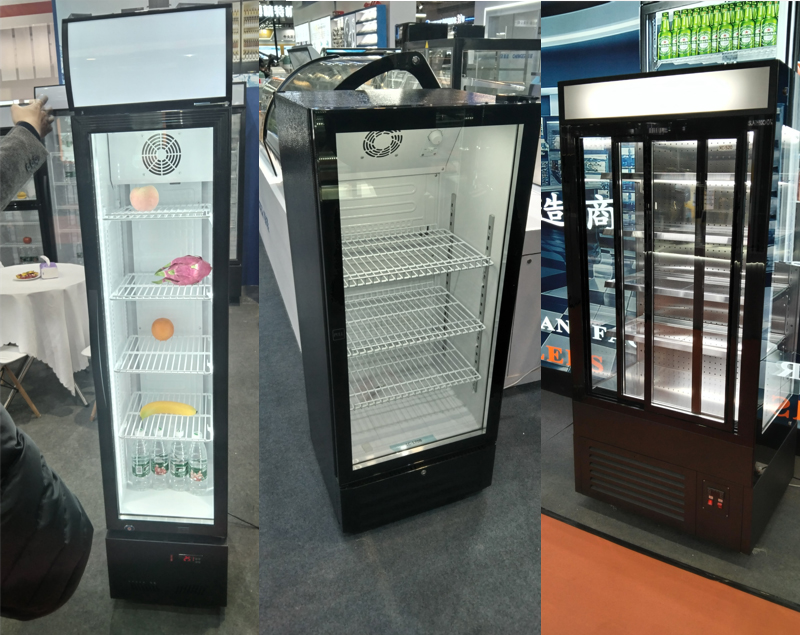
Most buyers start by comparing specs and price lists. That is the wrong place to start. The real difference between a good cooler and a bad one is decided long before the unit reaches your door — it is decided inside the factory that makes it. Here is what to look at, section by section, before you sign anything.
1. Start With the Factory, Not the Quote
The cheapest quote in the world is worthless if the factory cannot deliver consistent quality. Before comparing prices, spend time verifying who actually makes the cooler.
Company scale. Size alone is not a guarantee of quality, but it tells you a lot about stability and capability. Look for a factory with an established production base, dedicated manufacturing lines, and a track record of supplying to your target market. A manufacturer with steady export volume to Europe, North America, or Australia is far safer than one selling only domestically, because those markets enforce standards that are hard to fake.
Molding and foam-injection equipment. This is the single most overlooked technical detail, and it is the one that decides whether your cooler keeps cold or loses it. Modern display coolers use polyurethane foam insulation injected between the inner and outer shells. Ask to see the factory's foam-injection equipment — specifically whether they use automatic high-pressure foam-injection lines rather than manual pouring. Automatic injection gives even, gap-free insulation. Manual or weak injection leaves air pockets, and those pockets are where cold leaks out and energy gets wasted. You cannot see this from the outside, so you have to verify it at the factory or ask for evidence.
Personnel and engineering capability. Walk the production floor mentally: does the factory have a real engineering team, or just assemblers? A good manufacturer employs refrigeration engineers who can size compressors correctly, design proper airflow, and actually answer your technical questions. Also check their QC staff — how many inspectors per production line, and whether they test every unit or sample only a few. A factory that stands behind a real engineering and quality department is far more reliable than one that only has salespeople.
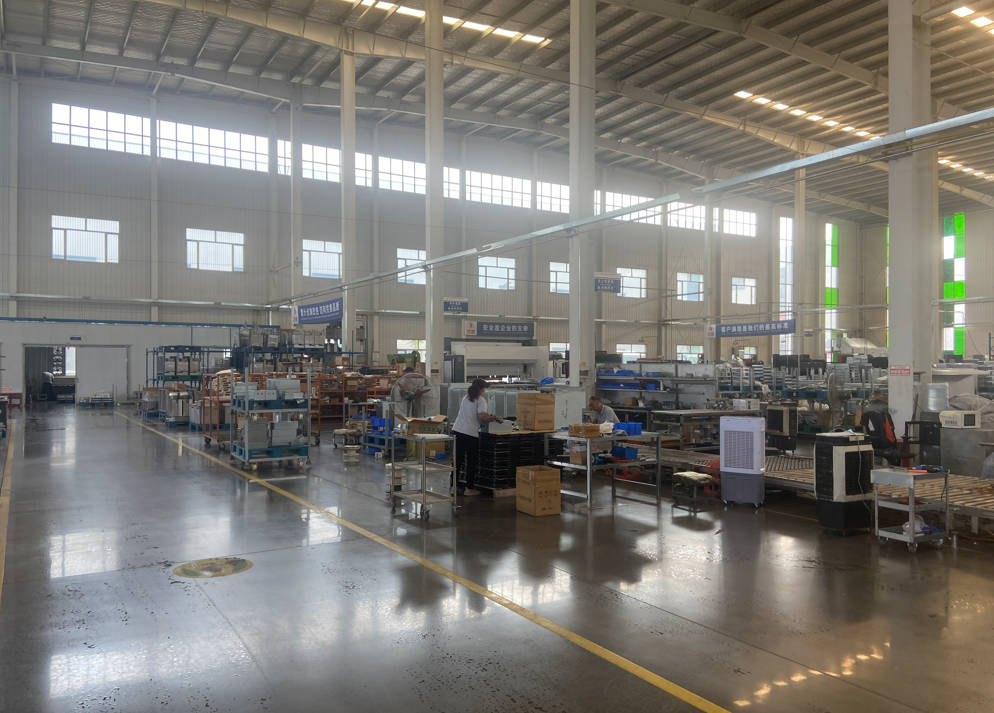
2. Quality Is Built In, Not Inspected In
Quality is not something a final inspection adds at the end of the line. It comes from the components and the process.
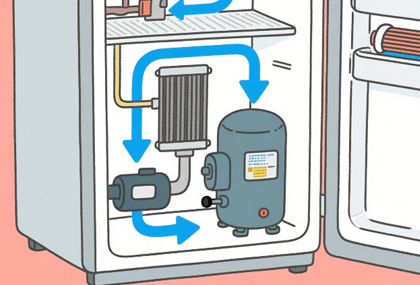
The compressor is the heart of the cooler. Ask which brand and series the factory uses — well-known, proven compressor brands with global service networks are worth paying for. A cheap, unknown compressor may save you $20 at purchase and cost you hundreds in service calls later.
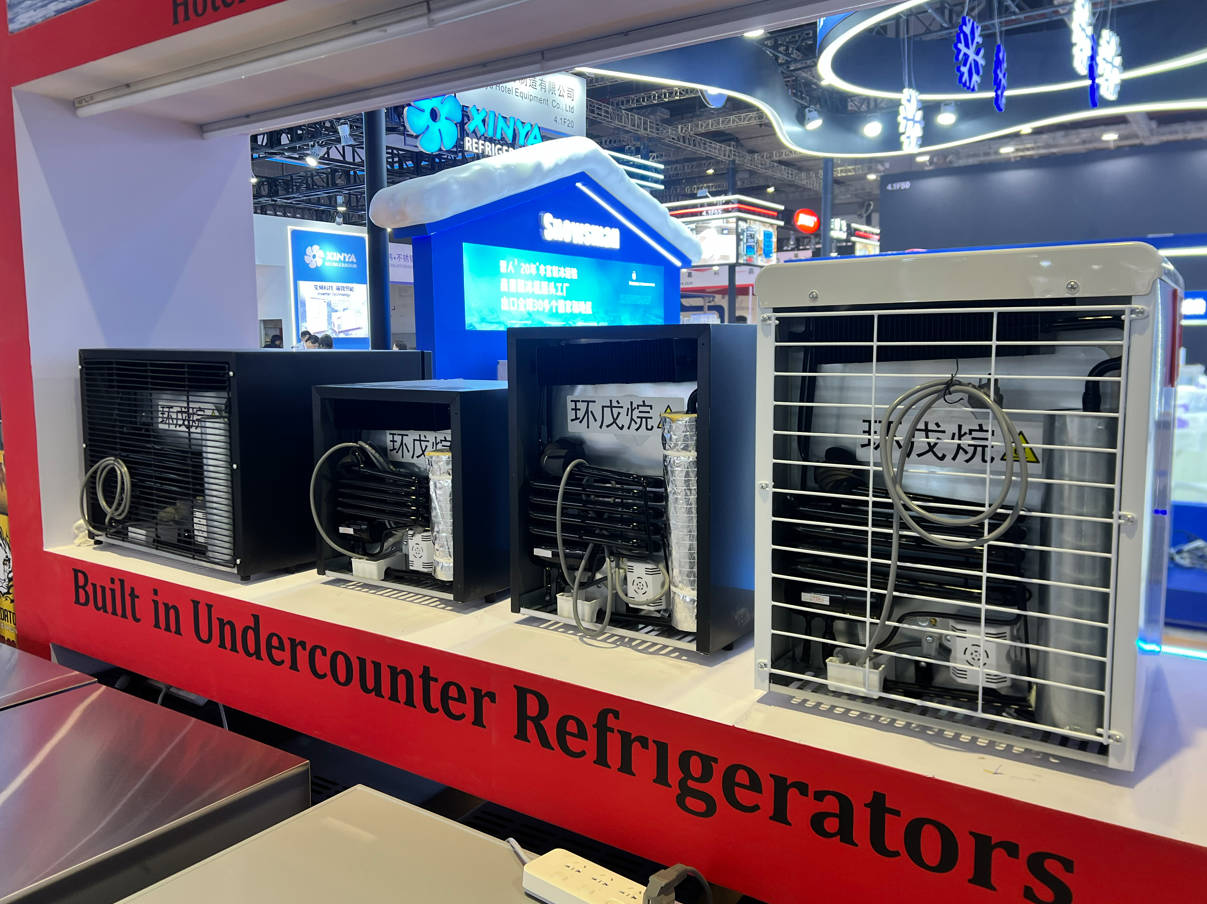
Look for copper or properly coated aluminum coils, not thin flimsy ones. Corrosion in humid environments kills cheap condensers fast.
For glass-door models, ask about the glass type and whether it has anti-fog treatment and proper insulation. Check the door seals — this is where most coolers develop cold leaks after a year or two.
Digital temperature controllers with accurate sensors and visible readouts are far better than old mechanical knobs. Verify the temperature range actually fits the products you store (dairy, juice, soda, deli each have different requirements).
A good rule: ask the factory to show you their component sourcing list and their in-house test procedures. If they cannot or will not explain their quality process, that is a red flag, no matter how attractive the price looks.
3. Warranty That Means Something
A warranty is only worth what the manufacturer is able and willing to honor. Compare three things, not just the length:
Does it cover the compressor, the full system, or only parts? Is labor included? Are shipping and installation covered?
Two years on the whole unit with a clear policy is often better than five years that quietly excludes everything that actually breaks.
Who honors it. This is the most important part for importers. Can the factory actually honor the warranty in your market? Do they have a local agent, spare parts stock, or a clear return process? A warranty you cannot enforce is just a slogan.
For a cross-border buyer, the practical guarantee is the relationship: a factory that has been exporting for years and values its reputation is far more likely to honor a claim than a fly-by-night operation that can simply disappear and reopen under a new name.
4. Certification: Non-Negotiable for Export
Certifications are not decoration — they are your market access. A cooler without the right certifications cannot legally be sold in your market, full stop.
For Europe: CE marking, and relevant product standards.
For the USA / North America: ETL or UL certification is typically required.
For other markets: check local compliance requirements such as RoHS for material safety, and specific energy-efficiency regulations.
Here is the critical point: do not trust a certificate alone. Counterfeit and "borrowed" certificates exist. Verify the certification is valid and matches the exact model you are buying, not a similar one. Ask the factory for the certificate number and cross-check it. Also ask whether the factory can produce units that meet your market's energy-efficiency requirements — in some regions, low-efficiency coolers are being phased out entirely.
5. Price Is the Last Thing to Compare
When you have verified factory capability, quality process, warranty, and certification, then you can compare price. Compare like-for-like only: same compressor brand, same insulation quality, same glass, same capacity. A unit that is cheaper because it uses a worse compressor or thinner insulation is not cheaper at all once you add energy and repair costs over five years.
Work out the real cost of ownership: purchase price + energy consumption over 5 years + expected repairs + downtime caused by breakdowns (which means spoiled stock). A mid-priced, well-built cooler frequently wins on total cost over a bargain unit. Never chase the lowest number in a comparison table built on different specifications.
6. After-Sales Support Decides Your Long-Term Experience
A supermarket cannot afford a cooler down for a week waiting for a spare part. Before ordering, settle these questions with the supplier:
Spare parts availability. Which parts are stocked, and how fast can they ship to you?
Technical support. Is there a competent contact who can help you diagnose issues and guide your local technician through repairs?
Training and documentation. Do you get proper manuals, wiring diagrams, and installation guidance?
Long-term relationship. Is this a supplier who treats you as a partner over years, or a one-off sale? Ask how long they have been in business and how they handle repeat customers..
A display cooler runs for years, and the decision to buy one runs for even longer. Spend your time on the factory, not just the quote — that is where your product quality, your energy bills, your stock safety, and your customer's trust are all decided. If you are planning a purchase and want a unit sized to your store and your products, send us your requirements and our engineers will help you select the right model.
Most popular More «
-
How to Choose a Supermarket Display Cooler for Buyer's Guide
-
How to Judge a Cooler Factory by Its Foaming Equipment?
-
R290 or R600a for Cake Display Refrigerators?
-
Is it expensive to customize light strips for cake display chiller?
-
Selection Guide for Shelving Systems of Refrigerated Beverage Display Cabinets
-
How to Control the Procurement Cost of Open Refrigerated Display Cabinets for Supermarkets
-
Air vs Direct Cool Cake Cabinets Advantage and Disadvantage
-
How to Choose an Open Display Cooler for Your Fruit Store?
-
What Is the Standard Temperature for Dessert Display Cabinets?
-
Top Compact Upright Display Cooler for Retail Businesses