









Is it expensive to customize light strips for cake display chiller?
Most cake shop owners have struggled with light strips for display cases: the appeal of cream and cakes inside the cabinet depends half on lighting. But once you inquire about prices, quotes range from tens to hundreds of US dollars per meter, and custom orders often come with sky-high prices. Are custom light strips really costly, and where does the expense come from? To start with the conclusion: The light strip itself is not expensive; what costs more are the "invisible costs".
Three types of light strips: Where do the price differences lie?
There are basically three options for lights fitted to cake display chiller on the market.
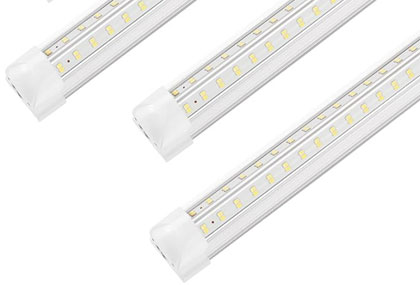
Standard universal LED light strips are the most basic solution. They can be purchased on e-commerce platforms such as Amazon. Counter light strips normally cost $50–$200 per meter, while ordinary cabinet-grade light strips are generally $13–$30 per meter. You can get them at very low prices during manufacturer promotions. These are standard products with unified specifications, mass-produced and sold in large volumes, with prices squeezed close to production costs. Their downside is that color temperature and Color Rendering Index (CRI) are not prioritized.
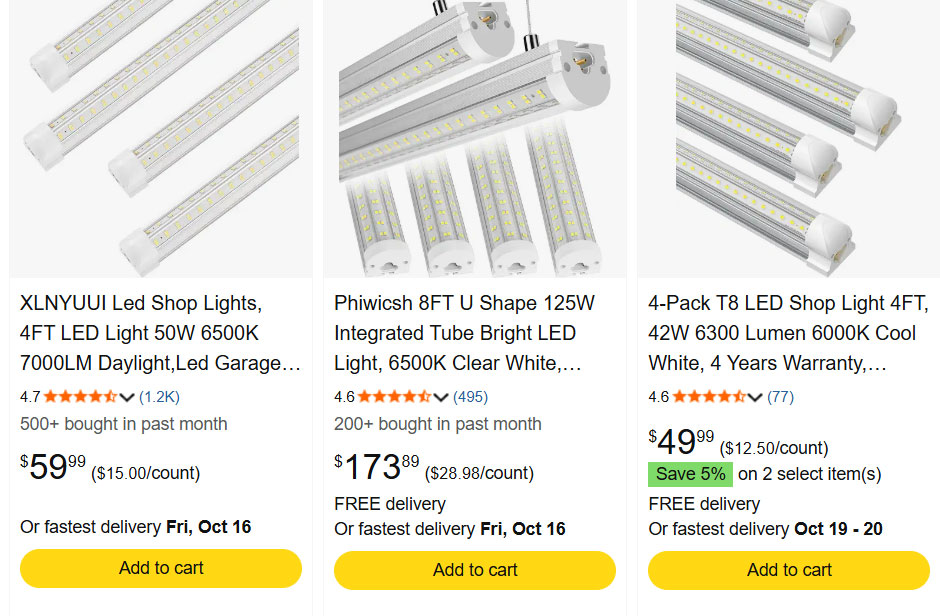
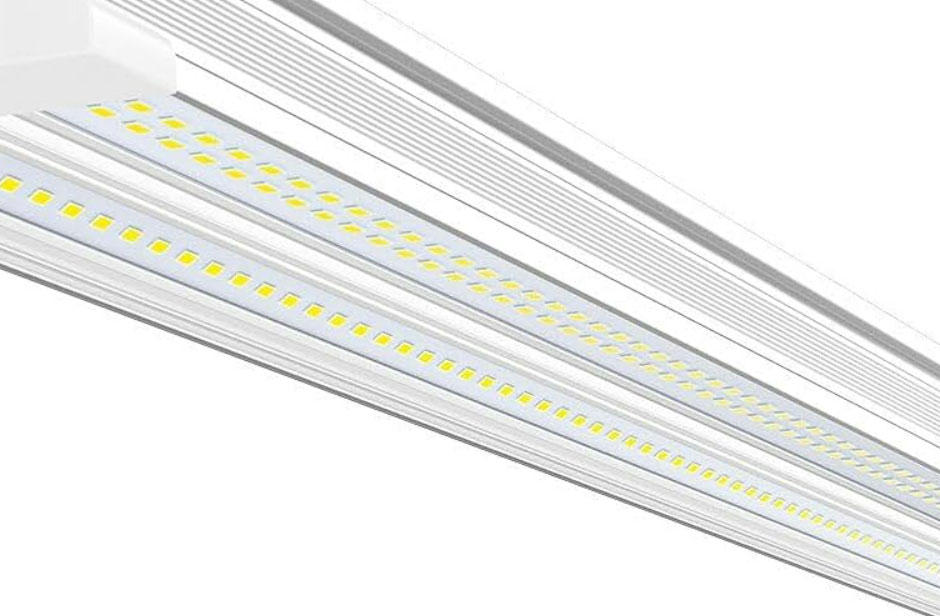
Custom-modified LED light strips mark the range where prices start to soar. Customization usually involves cutting to cabinet dimensions, adjusting color temperature, modifying the color rendering index, implementing seamless COB (dot-free lighting), adding waterproofing and compatible power supplies, and even new mold development. Modification costs come not only from materials but also labor and mold fees. COB or high-quality branded light strips on the market can cost $100–$350 per meter, and a single chiller can easily run into thousands of dollars. Half of this extra cost pays for the service of "building it exclusively for your cabinet".
Original LED light strips refer to factory lights supplied by display chiller manufacturers together with the equipment. They carry the largest price markup — from the same manufacturer, original parts are often 2 to 3 times more expensive or higher than universal alternatives. Locked into the complete machine after-sales system, they have minimal room for price negotiation; you must return to the original manufacturer for replacements when they break. What you pay for is not a better light, but peace of mind and fit guarantee.
The high cost mainly stems from these three expense categories
The first category is raw materials. This is the biggest driver of recent light strip price hikes. Precious metals including gold, silver and copper account for over 70% of LED packaging costs. Since 2026, international gold prices have risen by more than 70% cumulatively, silver prices have jumped 148%–170%, and copper prices have increased over 36%. Shanghai copper once hit a record high of 91,000 yuan per ton. In addition, chips (25%–35% of total cost) and driver power supplies (15%–20%) have also become pricier, pushing up the base material cost of the whole light strip significantly. In other words, a large portion of the price you see now is driven upward by upstream precious metal market trends.
The second category is tariffs. This is easily overlooked if you source from China or run an overseas store with imported goods. The US imposes a 25% Section 301 tariff on Chinese-made LED lighting products; combined with the MFN base tax rate, the total tariff is approximately 28.9%. The EU levies around 3.7% duty plus VAT. That means, for a Chinese light strip priced at $100, tariffs alone can add 20% to 30% extra cost by the time it reaches end customers overseas. This further widens the price gap between original and universal products across different markets.
The third category is labor. A large share of custom modification fees goes to labor: measuring dimensions, cutting, soldering wires, tuning color temperature, waterproof treatment and power supply debugging all require manual work. Labor costs can vary by 15%–20% across production regions, and manual customization labor fees are often several times higher than those on standardized production lines. The extra money you pay for customization essentially covers labor that cannot be scaled up.
How to choose the most cost-effective option under current market conditions
The most recommended approach is "universal parts plus moderate modification": use standard universal light strips or cost-effective COB light strips for the main body (material cost calculated per meter, controllable at tens to over a hundred US dollars). Select targeted color temperature and color rendering index, and hire local lighting shops or manufacturers to handle cutting and wiring with per-meter labor charges. Unless your cabinet has special dimensions or you have extremely high color rendering requirements, avoid paying a multiple premium for "custom" or "original" products — most of their high price comes from service fees and brand monopoly charges, and has little to do with the actual quality of the light.
The high cost of custom light strips for cake display case comes from three factors: rising raw material prices, accumulated tariffs and labor services, rather than the light strip itself. For cost efficiency, skip purely original parts and avoid heavy customization. Pick a high-CRI universal COB light strip and cut it as needed; this is the most reliable solution.
Data reference: Quotations for counter light strips from China's 1688 and Taobao; industry reports on LED price increases (Securities Times, Sina Finance)
Most popular More «
-
Is it expensive to customize light strips for cake display chiller?
-
Selection Guide for Shelving Systems of Refrigerated Beverage Display Cabinets
-
How to Control the Procurement Cost of Open Refrigerated Display Cabinets for Supermarkets
-
Air vs Direct Cool Cake Cabinets Advantage and Disadvantage
-
How to Choose an Open Display Cooler for Your Fruit Store?
-
What Is the Standard Temperature for Dessert Display Cabinets?
-
Top Compact Upright Display Cooler for Retail Businesses
-
SM15A Commercial Slush Machine Specification
-
Commercial Pastry Display Case Buying Guide for Bakeries & Cafés
-
Cooluma Ice Machines for Seafood Sections in Supermarkets