









Selection Guide for Shelving Systems of Refrigerated Beverage Display Cabinets
Refrigerated beverage display cabinets are refrigerated display equipment used in supermarkets and shopping malls for cold storage of beverages. As the core load-bearing structure of display cabinets, the shelving system is of vital importance in design and selection. At present, mainstream display cabinet shelves on the market fall into two categories: traditional mesh shelves with 5–7 manually adjustable layers, and intelligent automatic conveying shelves. The two systems suit different business scenarios, each boasting technical advantages and practical value, and have become the two major mainstream configurations for cold-chain display equipment.
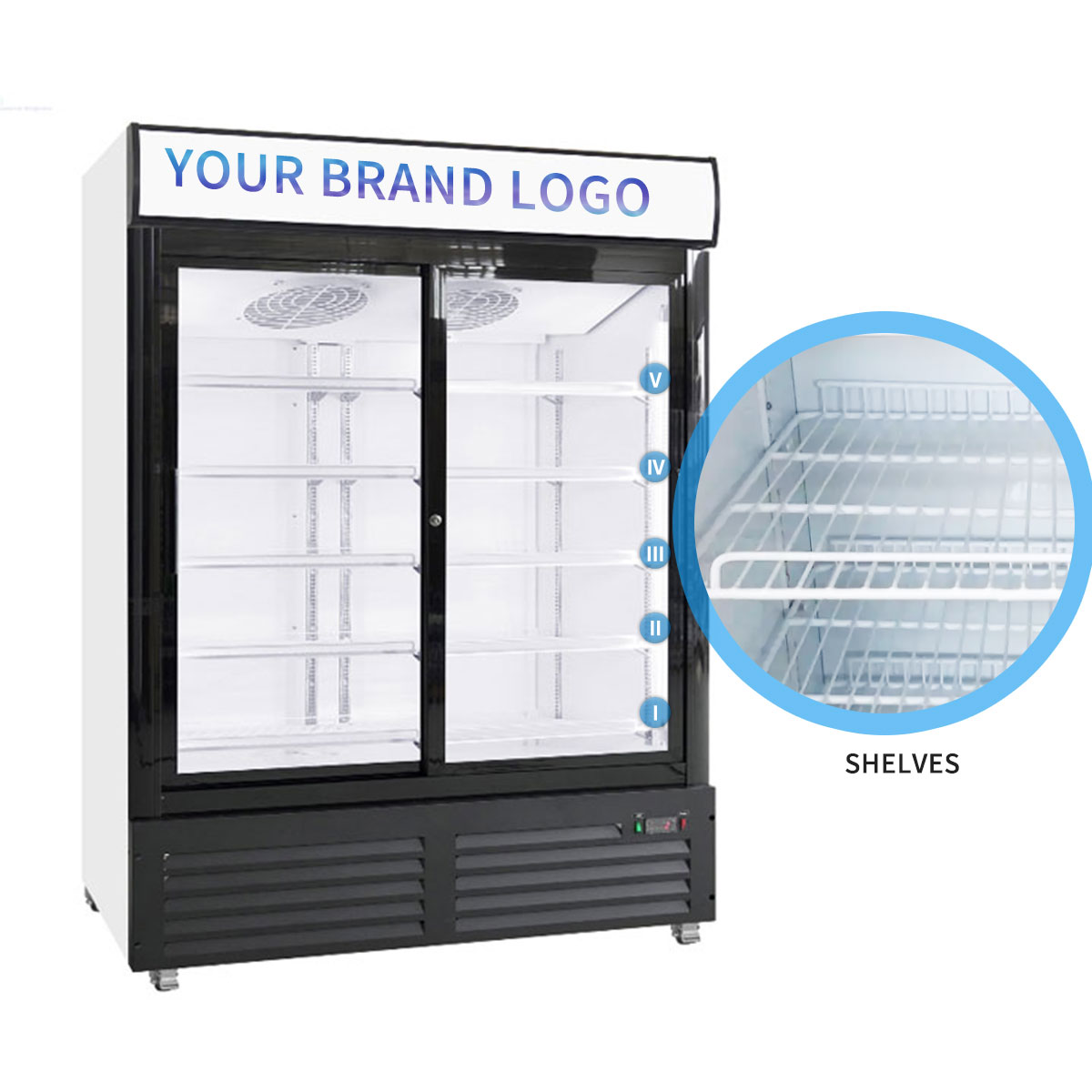
Conventional commercial refrigerated beverage display cabinets generally adopt a 5-layer standardized shelving layout. Optimized through long-term industry practice, this layer configuration complies with the standard of ergonomic picking height and cabinet space utilization rate.
Too few shelves will waste cabinet space and fail to meet the display demands for a wide variety of drinks; too many layers will make it hard to reach goods on the top layer and block the view of products on the bottom layer, impairing customers’ shopping experience. A well-designed layout can fully utilize the vertical cabinet space, accommodate people of average height, ensure easy viewing and access to goods on every layer, and fit most offline retail scenarios.
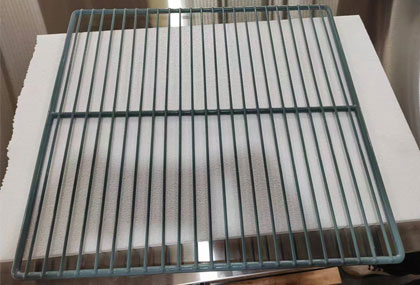
The manually adjustable mesh shelf is the basic shelving system widely used at present and serves as the standard configuration for small and medium-sized stores. Made of metal dip-coated mesh with a hollow-out design, it enables full circulation of cold air inside the cabinet, prevents excessive local temperature differences, ensures uniform refrigeration of beverages on all shelves, and meets the requirements for low-temperature operation inside the cabinet.
Compared with solid shelf panels, mesh shelves are lighter in weight with stable load capacity. Meanwhile, they are less prone to dust and water accumulation, easy to clean, resistant to rust and aging during long-term use, and have a longer service life.
Manual adjustability is the core advantage of this system. Most refrigerated cabinets have pre-reserved adjustment holes inside. Staff can flexibly adjust the shelf spacing according to beverage specifications and freely change the height of each layer to fit goods of different sizes such as tall bottled drinks and canned soda.
In addition, the shelving system features a simple structure, low procurement and maintenance costs, and easy installation and removal. It is suitable for business scenarios with flexible product updates and moderate budgets, such as convenience stores, neighborhood shops and small supermarkets.
With the intelligent upgrading of the retail industry, the automatic conveying shelving system has gradually become the preferred upgrade option for large and medium-sized supermarkets, chain convenience stores and unmanned retail stores, completely breaking the operational limitations of traditional manual shelves. This intelligent shelf also adopts the classic 5–7 layer layout and retains the standardized space structure. Its core upgrade lies in the gravity slide automatic conveying structure, which realizes automatic front replenishment of beverages relying on the principle of product self-gravity and pulley tracks.
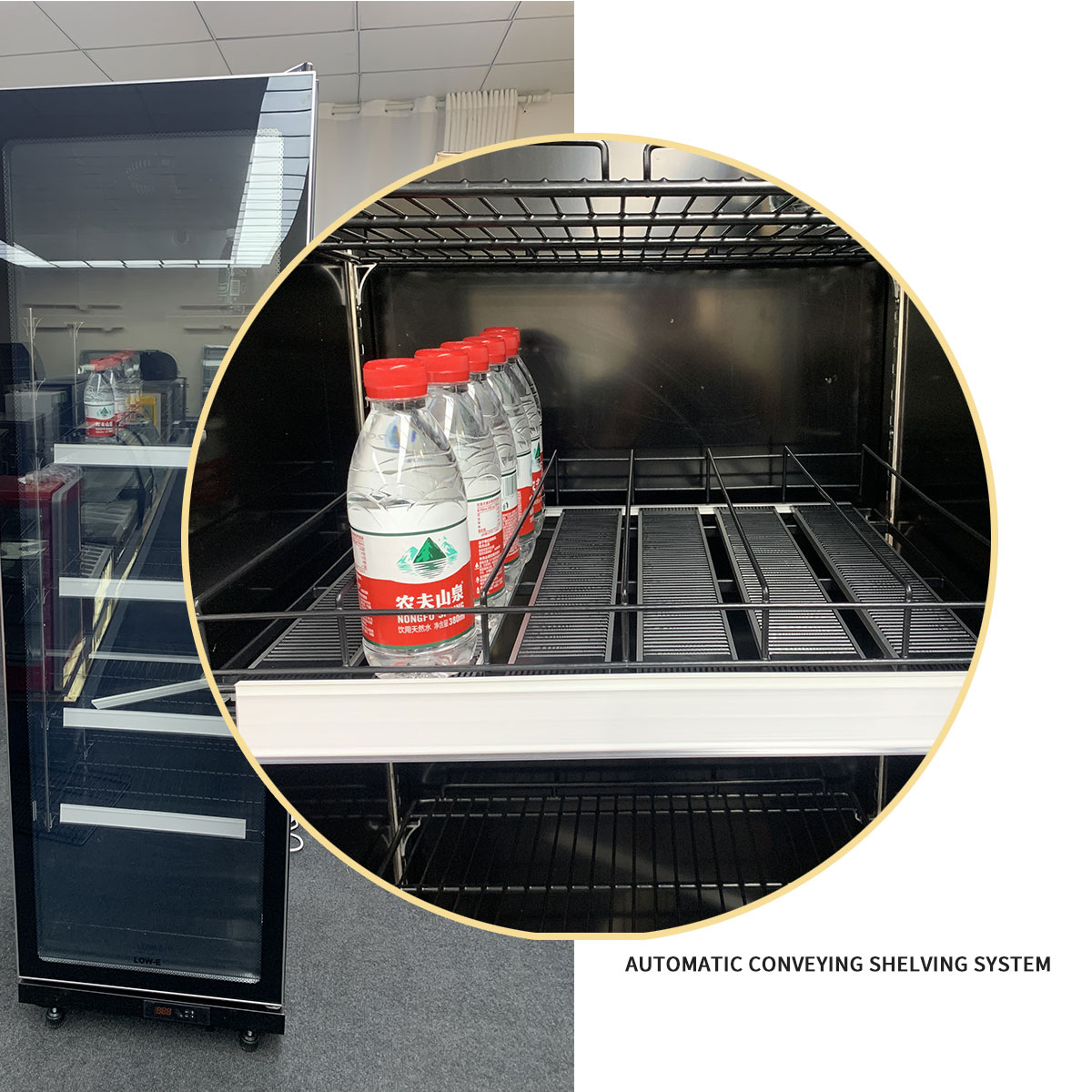
Automatic conveying shelves subvert the traditional manual display arrangement mode. After customers take beverages from the front row, goods placed at the back will automatically slide forward to fill empty positions. No repeated shelf arrangement by staff is required, and the shelves can always maintain a full and tidy display effect.
This system has prominent advantages in operational efficiency. Traditional manual replenishment and sorting consume substantial time and labor, while automatic conveying shelves can greatly cut replenishment time. According to industry field tests, store replenishment efficiency can be improved by over 60%, effectively reducing labor costs, making it ideal for high-frequency business scenarios with large customer flow and fast product turnover.
Automatic conveying shelves optimize customers’ shopping experience by eliminating empty shelf spots and recessed hidden goods. It saves customers the trouble of reaching deep inside to pick products, enabling convenient and safe product access. Some upgraded automatic conveying shelves are also equipped with separation limiting structures to accurately distinguish different beverage categories, prevent product mixing, and further improve display standardization.
Each of the two shelf types has its merits. Manually adjustable mesh shelves are suitable for small stores, display of niche beverages and budget-limited scenarios; automatic conveying shelves fit large-scale business scenarios including chain stores, large supermarkets and unmanned retail. Against the backdrop of industry development trends, basic manual mesh shelves remain the mainstream market necessity, while automatic conveying shelves will become the upgrade direction for retail cold-chain equipment.

Most popular More «
-
Selection Guide for Shelving Systems of Refrigerated Beverage Display Cabinets
-
How to Control the Procurement Cost of Open Refrigerated Display Cabinets for Supermarkets
-
Air vs Direct Cool Cake Cabinets Advantage and Disadvantage
-
How to Choose an Open Display Cooler for Your Fruit Store?
-
What Is the Standard Temperature for Dessert Display Cabinets?
-
Top Compact Upright Display Cooler for Retail Businesses
-
SM15A Commercial Slush Machine Specification
-
Commercial Pastry Display Case Buying Guide for Bakeries & Cafés
-
Cooluma Ice Machines for Seafood Sections in Supermarkets
-
Cooluma Turnkey Coffee Shop Solution