









How to Judge a Cooler Factory by Its Foaming Equipment?
When buyers assess whether a refrigerated display cooler manufacturer is reliable, they often start by asking about compressor brands or steel plate thickness. For industry insiders, however, the most telling piece of equipment is an unassuming foaming machine — the unit that injects rigid polyurethane foam into cabinet housings.
Why focus on foaming equipment? The core technical challenge of refrigerated cabinets lies hidden within this invisible foam layer.
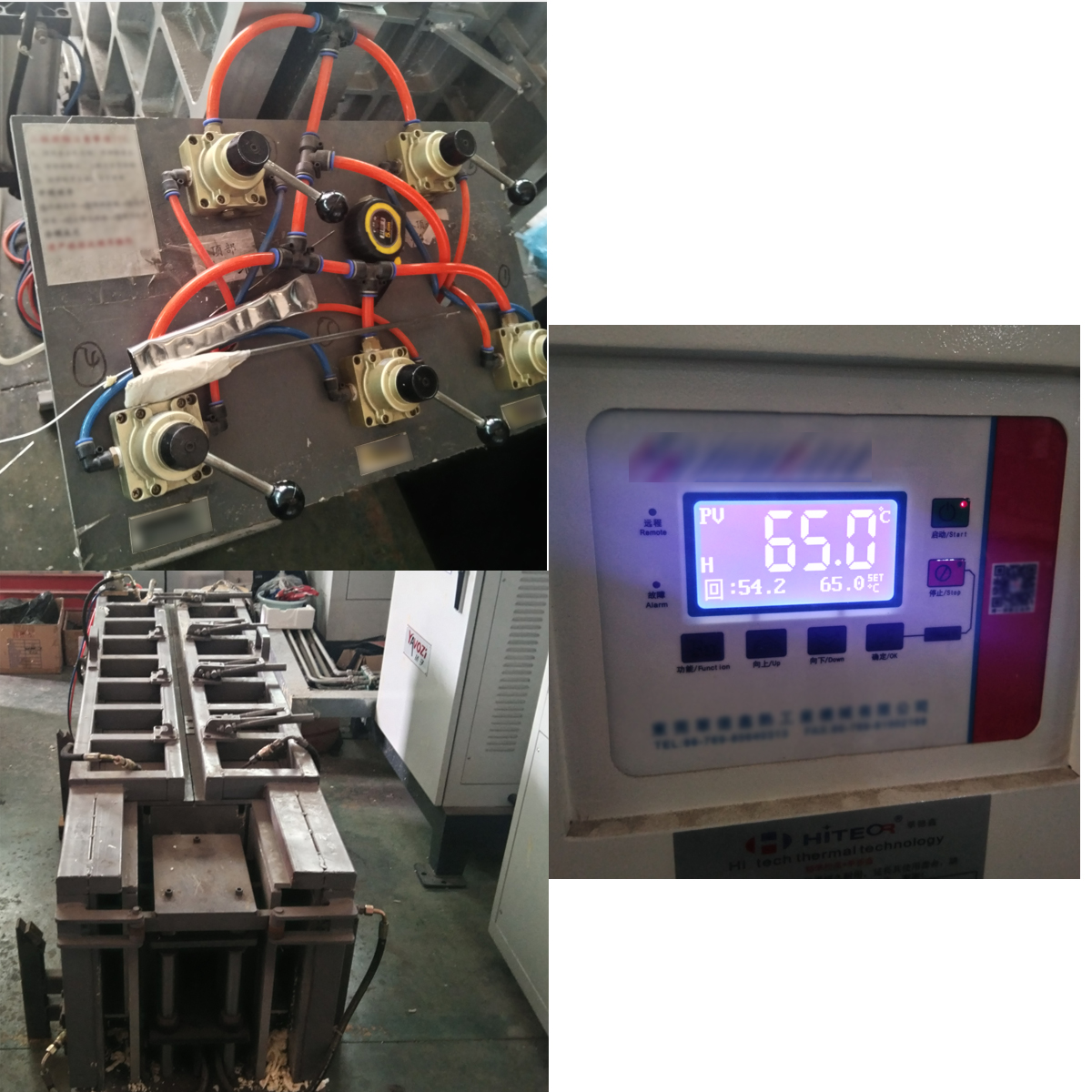
1. The Foam Insulation: The Workhorse of Refrigerated Cabinets
A display cooler’s curb appeal comes from its exterior, yet insulation performance, energy consumption and service life all largely depend on the polyurethane foam layer. It stabilizes internal temperature fluctuations, controls how frequently the compressor cycles on and off, and determines long-term electricity costs.
The quality of the foam insulation hinges entirely on the equipment. High-pressure foaming machines rely on impingement mixing to blend Component A (polyol) and Component B (isocyanate) instantly at the mixing head before pouring. Uniform mixing, precise material ratios and consistent dispensing directly govern whether foam cells are fine-grained, density stays even, and voids or gaps are avoided. Uneven cell structure causes thermal conductivity to fluctuate, while voids create pathways for cold air leakage.
In short, the standard of foaming equipment sets the baseline for a manufacturer’s insulation technology.
2. Equipment Investment Reflects a Commitment to Quality
Foaming machinery represents one of the costliest single pieces of kit on a refrigerated cabinet production line. A dependable mid-sized high-pressure foaming machine can cost tens of thousands of US dollars, while fully automated foaming production lines run into the hundreds of thousands. Manufacturers willing to make such large investments in components hidden from sight are generally committed to superior product quality.
By contrast, factories relying on low-cost low-pressure machines or outdated legacy equipment usually prioritize cutting costs or only produce low-end, high-volume goods. Capital investment in equipment acts as a mirror reflecting business philosophy — whether funds go toward cosmetic finishes or genuine engineering quality.
3. What the Machinery Can Tell You
Experienced auditors do not judge foaming machines merely by age. They examine these critical details:
High-pressure versus low-pressure system: High-pressure impingement mixing is the industry standard and delivers consistent foam quality. Low-pressure units produce less uniform cell structures and are mostly used for low-end prototyping.
Metering precision and flow meters: Accuracy of core metering components determines stable chemical blending ratios.
Condition of the mixing head: Self-cleaning capability and residue buildup directly impact continuous production runs.
Temperature control and material tanks: Stable raw material temperature ensures consistency across every batch of foam.
Level of automation: PLC-controlled proportional dosing, multi-station setups and mould racks mark the threshold for large-scale mass production.
A well-maintained, smoothly operating high-pressure foaming machine carries more weight than any marketing claim about imported compressors.
4. Equipment Is Not the Sole Benchmark
That said, examining foaming equipment is a valuable starting point, not a universal solution. Evaluating a factory’s overall capability requires reviewing several other factors:
Testing capabilities: Whether the factory owns equipment to test thermal conductivity and foam density, and can provide official insulation test reports.
Process expertise: Even with identical machinery, seasoned technicians and novice operators produce vastly different foam cell quality. Human expertise is far harder to replicate than hardware.
Quality control systems: Incoming material inspection, in-line sampling and final factory testing procedures.
Product samples and market reputation: Repeat customer orders and real-world feedback speak louder than machinery specs.
After-sales support: Responsiveness to service requests and long-term supply stability.
Top-tier machinery cannot produce premium cabinets without refined processes and rigorous quality controls. High-quality foaming equipment proves a factory has the capacity to make good products; the final quality depends on whether it chooses to, and knows how to, deliver on that potential.
Foaming equipment serves as a high-value metric for assessing refrigerated cabinet manufacturers. It reveals financial strength, investment in technology and commitment to quality control, representing craftsmanship hidden out of sight. Still, it is only part of the picture. Inspecting foaming equipment quickly filters out inexperienced vendors and low-tier factories, but final purchasing decisions require a holistic assessment of machinery, processes, quality assurance and reputation.
If you are a procurement buyer visiting a refrigerated cabinet factory next time, do not rush to check the cabinet appearance. Head onto the production floor and locate the high-pressure machine pouring foam into cabinet housings — it tells the truth better than any brochure.

Most popular More «
-
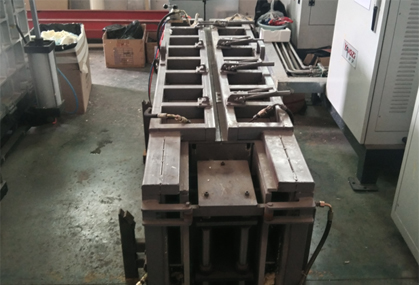
How to Judge a Cooler Factory by Its Foaming Equipment?
-
R290 or R600a for Cake Display Refrigerators?
-
Is it expensive to customize light strips for cake display chiller?
-
Selection Guide for Shelving Systems of Refrigerated Beverage Display Cabinets
-
How to Control the Procurement Cost of Open Refrigerated Display Cabinets for Supermarkets
-
Air vs Direct Cool Cake Cabinets Advantage and Disadvantage
-
How to Choose an Open Display Cooler for Your Fruit Store?
-
What Is the Standard Temperature for Dessert Display Cabinets?
-
Top Compact Upright Display Cooler for Retail Businesses
-
SM15A Commercial Slush Machine Specification