









An Analysis of the Advantages of Stainless Steel Refrigerated Display Cabinets
Stainless steel refrigerated display cabinets are mainstream equipment for kitchen and catering operations. Compared with ordinary refrigeration equipment, they feature significantly enhanced practicality and durability. Rather than being designed purely for aesthetic appeal, they are engineered to perform reliably in complex working environments.
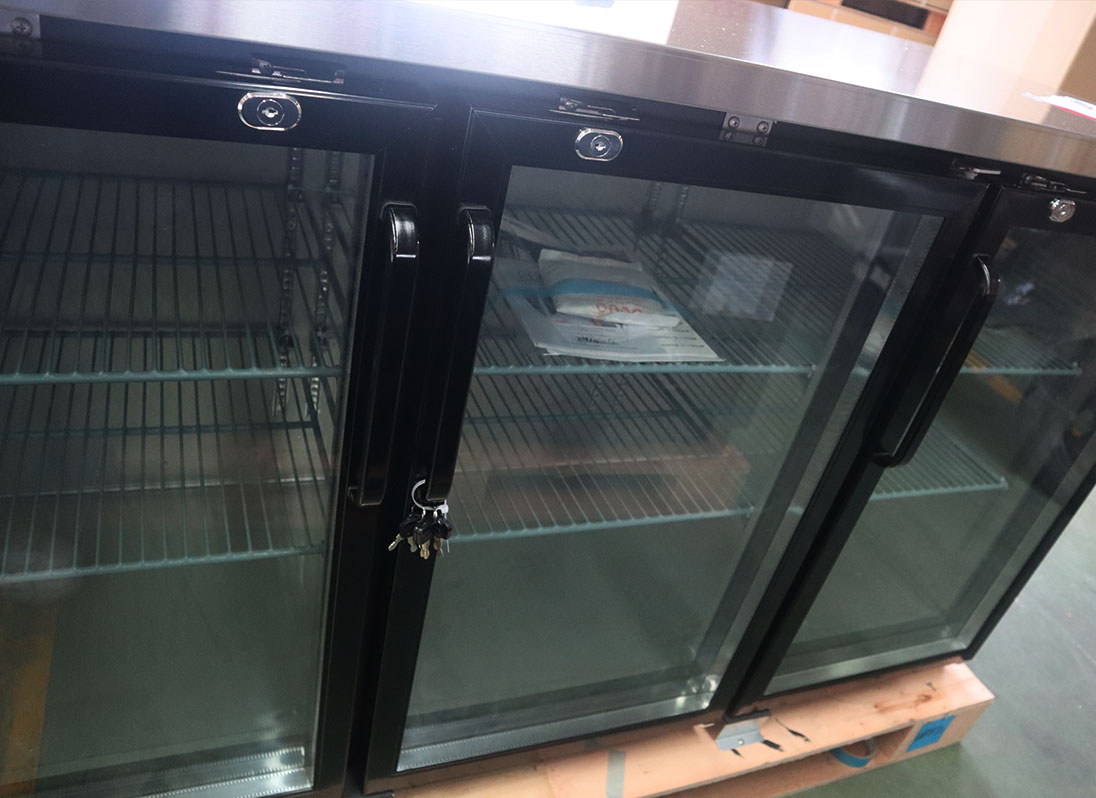
Why Are Stainless Steel Freezers Ideal for Kitchens?
To understand this, we must first look at the material, which dictates the applicable usage environment. The inherent properties of stainless steel completely address the pain points of traditional cabinets, such as susceptibility to rust, corrosion, and damage. This is especially critical in the humid environment of kitchens, where highly corrosion-resistant materials are essential. Ordinary materials are ill-suited to environments characterized by high temperatures, high humidity, heavy oil contamination, and frequent exposure to acids and alkalis. In contrast, stainless steel has a dense structure and stable chemical properties, endowing it with exceptional corrosion resistance, oxidation resistance, and acid-alkali resistance. Even when exposed to the erosion of various complex substances in the back-of-house area, the cabinet remains fully intact. After long-term use, it shows no signs of rust, deformation, or peeling, resulting in a service life far exceeding that of ordinary cabinets, which significantly reduces merchants' equipment replacement costs.
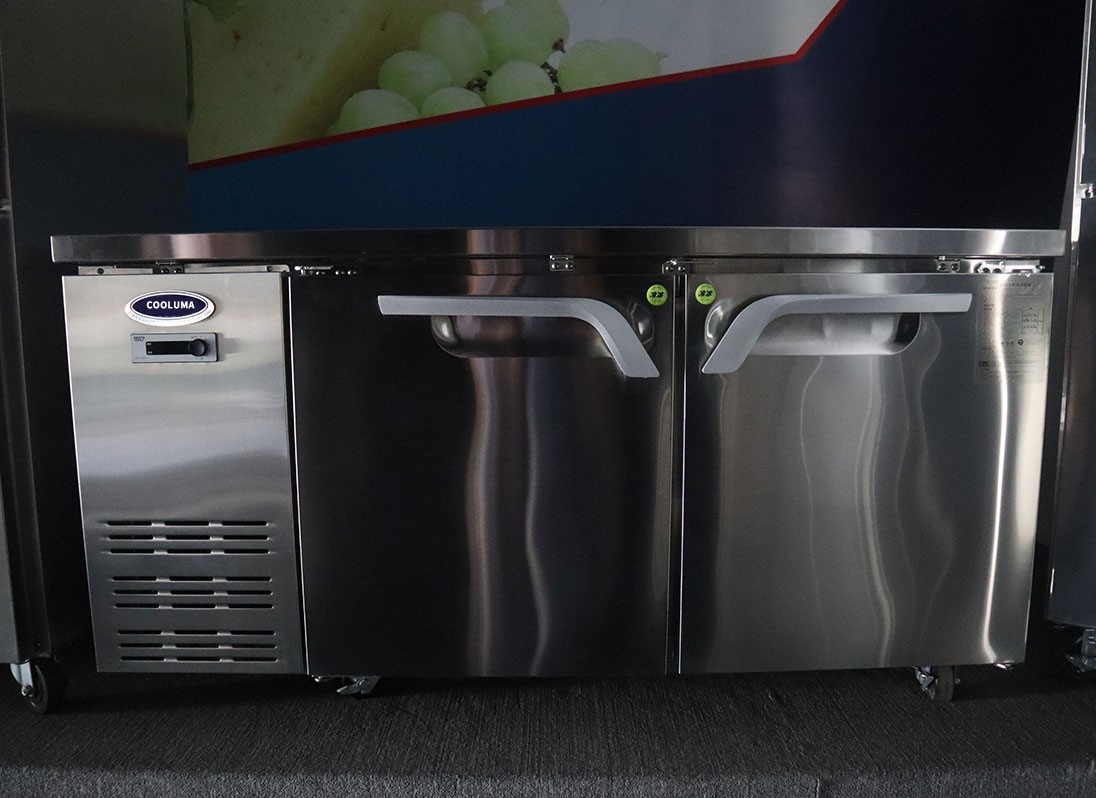
Meanwhile, the easy-to-clean nature and high antibacterial properties of stainless steel are its core advantages for adapting to the food industry, as well as a key factor in complying with food safety regulations.
In food business scenarios, hygiene issues are directly linked to diners' health and the compliant operation of stores. Traditional cabinet surfaces have tiny pores that easily absorb oil stains, food residues, and water stains. Over time, these accumulate and breed harmful bacteria such as mold and E. coli, and are difficult to clean thoroughly. In comparison, stainless steel has a smooth, fine, non-porous surface that does not absorb impurities. For daily cleaning, simply wiping with a cloth can quickly remove oil and stains, eliminating the need for complex cleaning procedures. When paired with daily back-of-house disinfection work, this makes it easy to keep the cabinet clean and dry, reducing bacterial growth at the source.
For high-standard hygiene scenarios such as industrial central kitchens, school canteens, and large catering back-of-house areas, the food-grade safety of stainless steel perfectly meets the work requirements of high-frequency disinfection and high-standard cleaning, providing a clean and hygienic environment for food storage.
In addition to material advantages, stainless steel cabinets also boast extremely high physical strength, with outstanding impact resistance, wear resistance, and load-bearing capacity, making them suitable for high-intensity commercial usage scenarios. In daily operations such as taking and placing ingredients, moving materials, and relocating equipment, bumps and friction are extremely common.
Cabinets made of ordinary panels are prone to dents, damage, and deformation under stress. In contrast, thickened stainless steel cabinets have a stable structure and excellent compression and impact resistance, allowing them to remain flat and intact even after long-term high-frequency use.
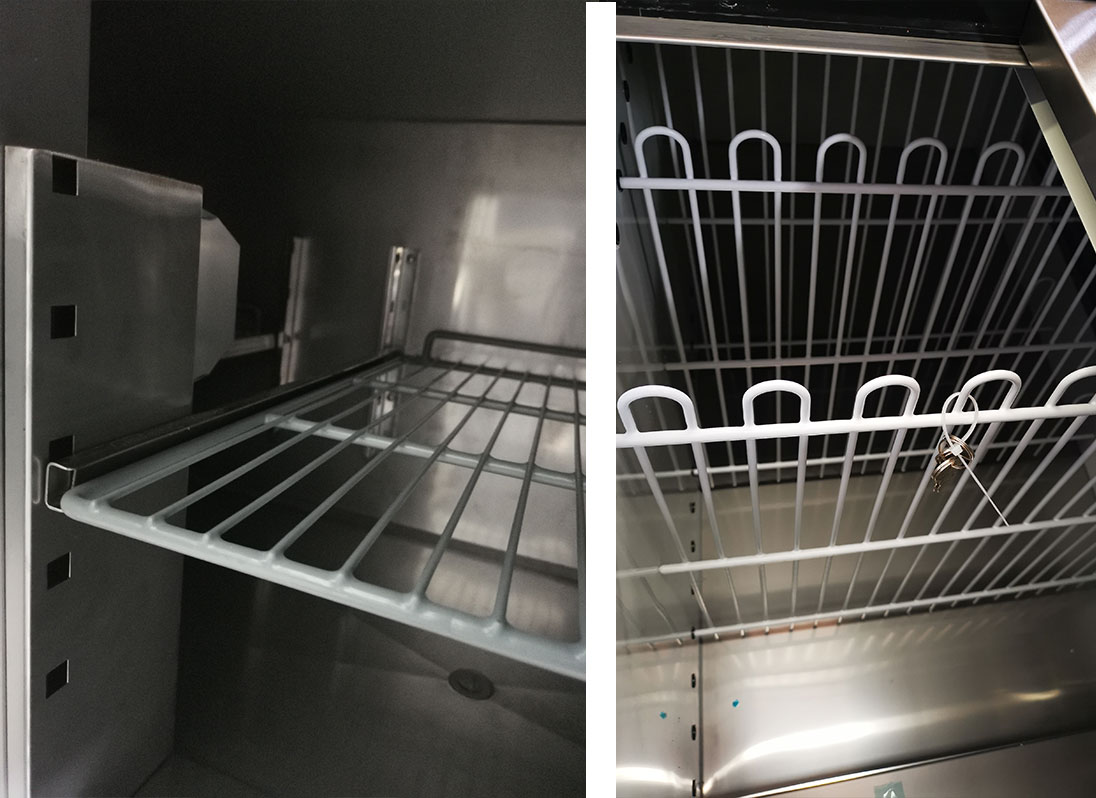
Meanwhile, the multi-layer shelves have excellent load-bearing performance, capable of stably supporting heavy items such as various prepared ingredients, semi-finished products, sauces, and fresh food, without bending or collapsing. This perfectly meets the demand for large-batch food storage, which is also an important reason why it has become standard equipment in industrial kitchens.
In addition, the back-of-house environment frequently alternates between hot and cold, with the high temperature of stoves and the low temperature of the cabinet creating a temperature difference. Ordinary materials are prone to problems such as thermal expansion and contraction deformation, cabinet cracking, and insulation layer peeling. Stainless steel, however, has strong temperature difference stability, enabling it to adapt to extreme temperature changes and maintain long-term stable equipment performance.
What Is the Refrigeration Performance of Countertop Stainless Steel Refrigerators?
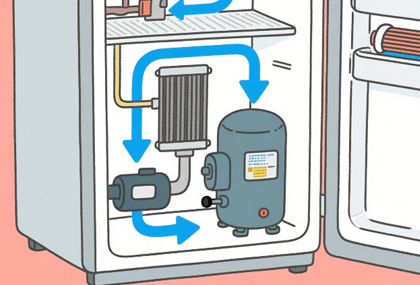
In terms of refrigeration and fresh-keeping performance, after commercial optimization, its refrigeration effect, temperature control accuracy, and fresh-keeping capacity far exceed those of ordinary household refrigeration equipment, accurately adapting to commercial food storage needs. Most of this equipment adopts an advanced air-cooled refrigeration system, paired with branded high-efficiency compressors, delivering fast cooling speed and uniform temperature distribution. This achieves constant temperature without dead zones inside the cabinet, stably controlling the temperature within the optimal 0-8℃ range for food preservation.
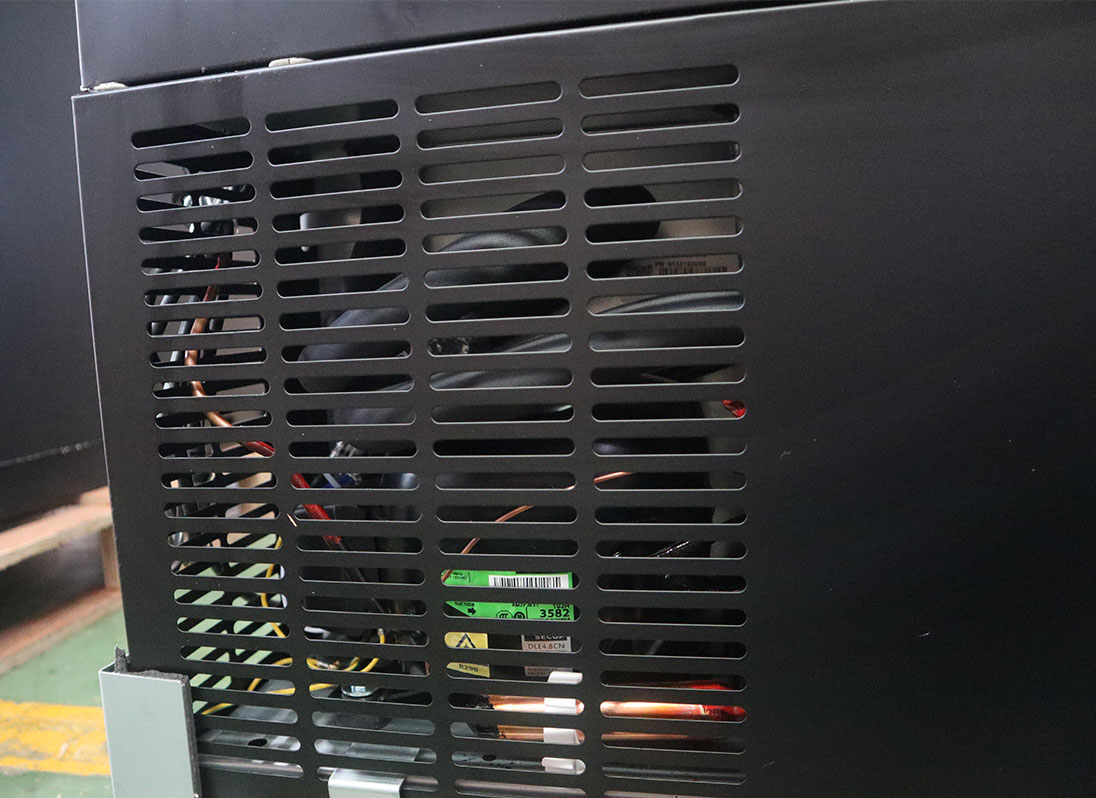
Compared with direct-cooling equipment, the air-cooled mode can effectively avoid problems such as internal frosting and food freezing and sticking, maximizing the retention of the fresh taste and nutritional components of fresh ingredients, prepared dishes, and baking ingredients. It extends the fresh-keeping period of food, effectively reducing food waste and lowering operating costs for merchants.
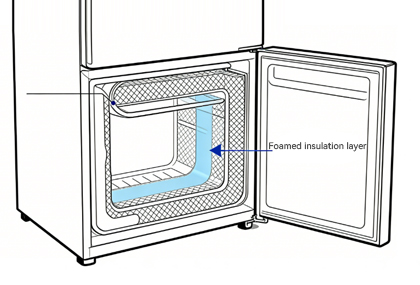
Meanwhile, the equipment is equipped with a high-density polyurethane foam insulation layer, paired with sealing strips and tempered glass doors, providing excellent air tightness. This maximizes the retention of cold air inside the cabinet, reduces the exchange of hot and cold air, and prevents cold air leakage.
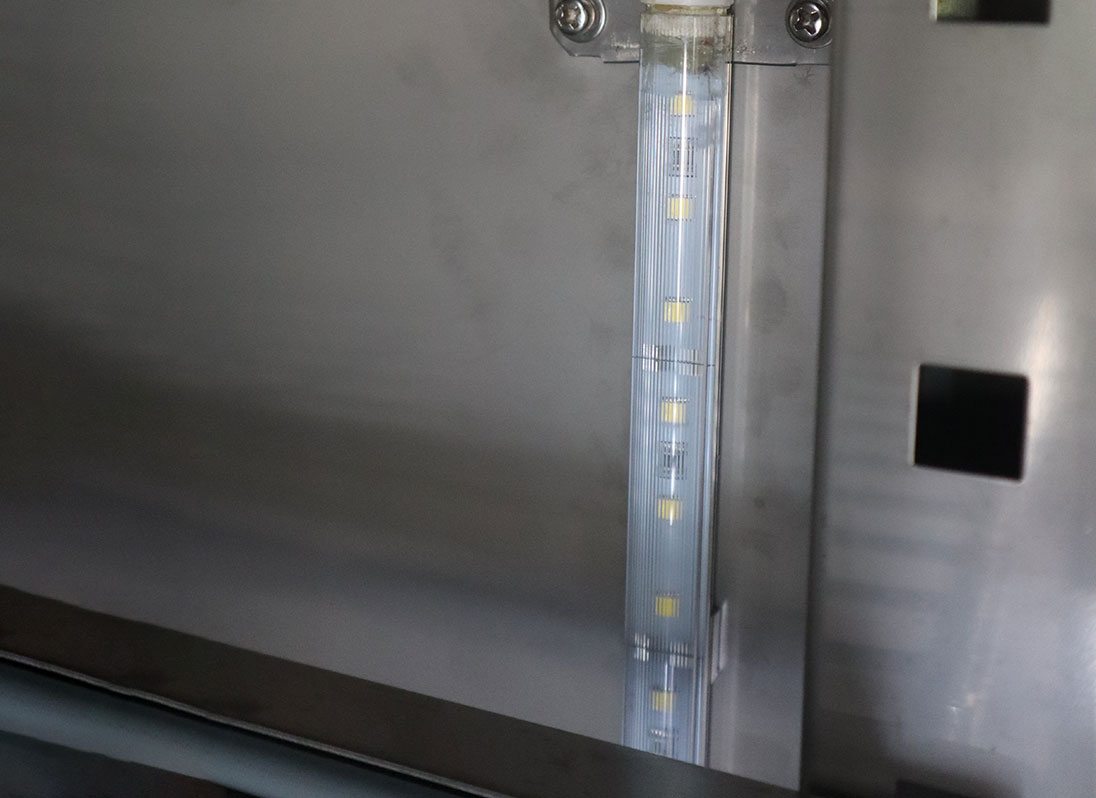
In long-term high-frequency usage scenarios, the advantages of energy-saving LED lighting are particularly prominent, which can significantly reduce the store's electricity expenses. Moreover, the equipment's temperature control system is precise and sensitive, allowing flexible temperature adjustment according to the fresh-keeping needs of different ingredients. Whether it is vegetables, meat semi-finished products, dairy products, beverages, cooked food, or cakes and desserts, an appropriate storage temperature can be found to meet the diverse fresh-keeping needs of various ingredients.
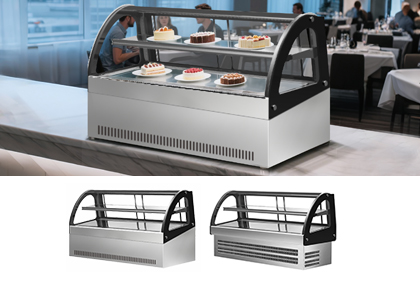
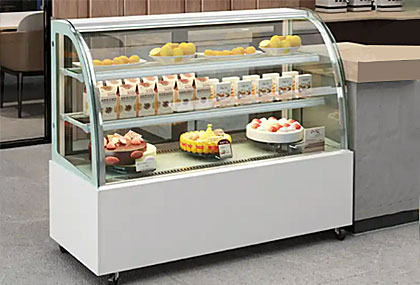
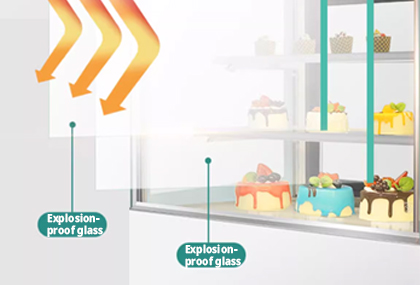
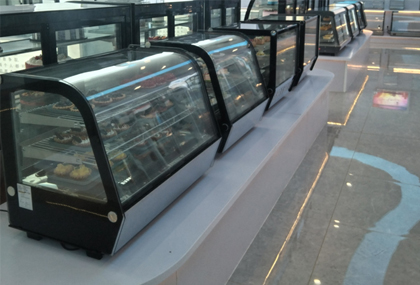
The advantages of visual display and space utilization enable stainless steel refrigerated display cabinets to achieve the dual functions of "storage + display", adapting to multi-scenario business needs. The front of the equipment adopts a high-definition tempered glass design, which has good light transmittance, is sturdy and explosion-proof. It can not only isolate external dust and bacteria but also achieve all-round visual display.
In terms of space design, the layered storage design makes rational use of vertical space, enabling layered and zoned storage. This allows the separation of raw and cooked food, meat and vegetables, as well as finished and semi-finished products, avoiding cross-flavoring and cross-contamination of ingredients, which complies with food storage regulations.
The overall equipment has a small footprint but large capacity, with extremely high space utilization. It can be flexibly adapted to both small store back-of-house areas and central industrial kitchens that require large-batch stock preparation. In particular, it is equipped with casters for easy movement.
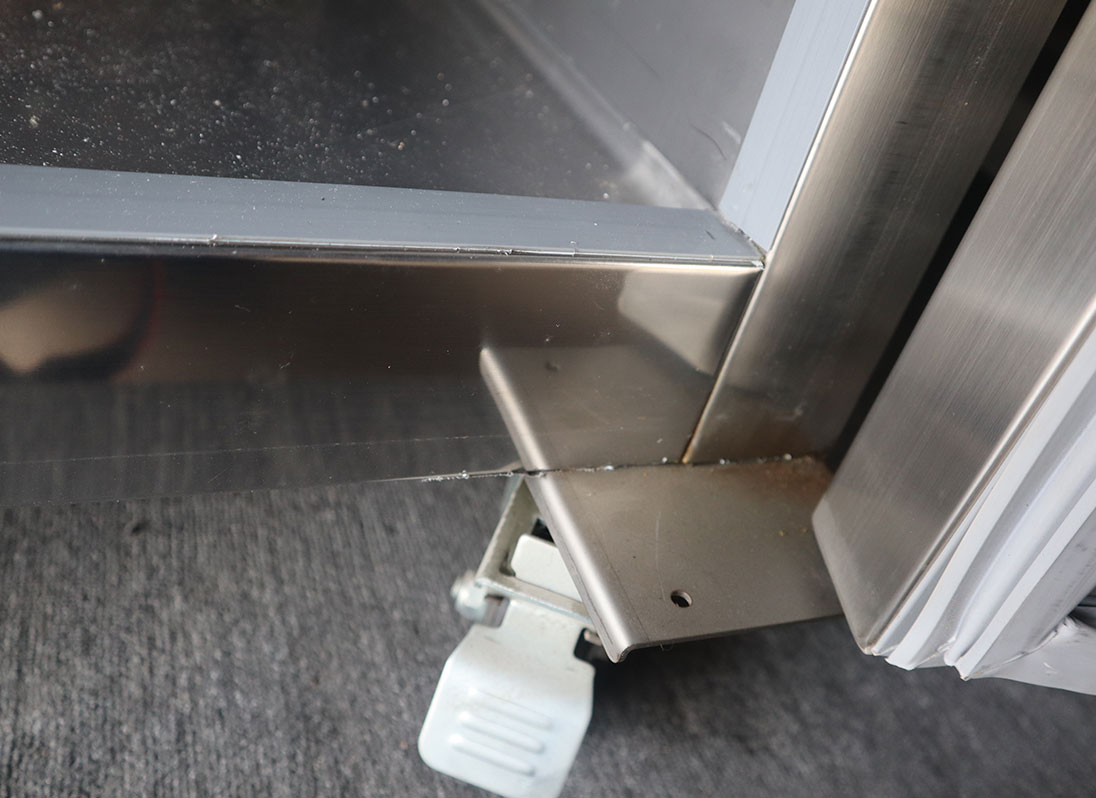
According to Cooluma, from the perspective of long-term operating costs, the procurement cost of stainless steel refrigerated display cabinets is slightly higher than that of ordinary cabinets. However, with the advantages of an ultra-long service life, extremely low failure rate, and no need for frequent maintenance and replacement, their long-term cost-performance far exceeds that of ordinary equipment.
Most popular More «
-
Commercial Pastry Display Case Buying Guide for Bakeries & Cafés
-
Cooluma Ice Machines for Seafood Sections in Supermarkets
-
Cooluma Turnkey Coffee Shop Solution
-
How To Choose Commercial Display Freezer For Ice Cream Shop
-
Solutions to Glass Fogging & Water Dripping for Café Cake Display Fridges
-
How to Optimize Packaging for Commercial Refrigerator Spare Parts to Reduce Import Costs
-
Cooluma Unveils New Commercial Ice Makers, Beverage Dispensers and Slush Machines
-
BC Series Can-Shaped Beverage Coolers
-
Do Cakes Require Commercial Refrigerators?
-
Best EC50 Mini Beverage Cooler for Global Export