









Commercial Pastry Display Case Buying Guide for Bakeries & Cafés
If you have researched commercial pastry display case and refrigerated bakery showcase options online, you have likely browsed countless so-called top-rated buying guides. As a seasoned bakery operator with years of hands-on experience, I want to share an industry truth: most of these online reviews and rankings are sponsored or paid promotional content. Partnered brands selectively showcase their product advantages, sleek visual designs, and basic functional features, while deliberately downplaying inherent drawbacks, long-term operational pain points, and inadequate after-sales support. There is no one-size-fits-all cake display fridge for bakery that suits every store type and scenario. All models and manufacturers carry distinct pros and cons. The most practical purchasing strategy is to select refrigerated display equipment that aligns with your bakery’s product lineup, indoor environment, budget range, and local service conditions, rather than blindly following biased marketing rankings.
This unsponsored, experience-driven guide draws on real bakery operation practices to help café owners, patisserie operators, and retail bakery managers make informed decisions, avoid unnecessary overspending, prevent pastry spoilage losses, and steer clear of common post-purchase equipment pitfalls.
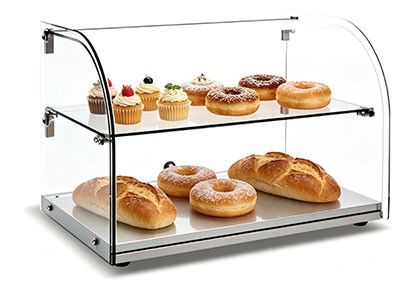
.jpg "cake display case")
Step 1: Define Your Bakery’s Exact Operational Needs First
Before comparing any brands or specs, clarify your shop’s core requirements. A display case that works perfectly for a small home bakery may underperform severely in a high-traffic downtown patisserie. Focus on these five key factors:
Product type: Cream cakes, mousses, and fresh fruit tarts require precise humidity and stable temperature to prevent drying, cracking, or condensation damage. Low-moisture pastries like baked tarts, cookies, and danishes tolerate more flexible cooling settings.
Shop ambient conditions: Hot, humid climates demand reliable anti-fog systems and consistent cooling. Shops with strong direct sunlight or poor ventilation need better insulation and heat-resistant glass to maintain internal stability.
Space footprint: Measure your counter or floor display area precisely. Oversized units waste energy and space, while undersized models limit product display volume and sales potential.
Budget range: Balance upfront purchase cost with long-term expenses (energy bills, maintenance, spare parts). Ultra-budget units often have higher hidden operational costs over time.
Local certification rules: Most commercial food businesses require NSF, CE, or regional food safety certifications. Non-certified units may fail health inspections and cannot be legally used for retail pastry sales.
Step 2: Mainstream Commercial Display Case Brands — Neutral Pros & Cons Comparison
Below is an objective breakdown of widely used refrigerated bakery showcase brands in the global commercial market. No brand is prioritized; each entry covers verified strengths, notable limitations, and ideal user scenarios for bakery and café operators.
Premium Commercial Foodservice Brands (Vollrath, Structural Concepts,Cooluma)
Key Strengths: These established industry brands deliver heavy-duty performance tailored for commercial foodservice environments. Their equipment features durable stainless steel construction, consistent temperature uniformity, low-failure compressors, and optimized air circulation systems that protect delicate pastries and preserve freshness. Integrated calibrated LED lighting enhances the visual appeal of cakes and desserts without accelerating product deterioration. Most models comply with mainstream international food safety standards, making them suitable for formal retail bakery and café operations.
Limitations: The primary downside is a premium price point with substantial upfront investment requirements. Original equipment manufacturer spare parts come at a high cost, and official after-sales service coverage is limited in suburban and rural areas. Minor component malfunctions often require professional technical support, which may lead to temporary operational downtime.
Best for: Mid-to-large retail bakeries, high-end urban patisseries, and busy commercial cafes with stable budgets and prioritized long-term reliability.
Mid-Range Global Bakery Equipment Brands
Key Strengths: This mid-tier equipment category delivers the most balanced cost-performance ratio for the majority of small and medium-sized food service businesses. These display units offer reliable daily performance, standard heated anti-fog glass, stable automatic defrost systems, and energy-efficient compressor configurations. Featuring modern, store-friendly designs and diverse size options, they adapt well to countertop and floor-standing display layouts. Replacement parts are widely accessible globally at affordable prices, and routine basic maintenance can be handled by local refrigeration technicians conveniently.
Limitations: Humidity regulation accuracy cannot match that of high-end premium models, which may cause slight surface drying of pastries during prolonged continuous operation. Under extreme high-temperature and high-humidity ambient conditions, certain models may produce minor temperature fluctuations. Long-term round-the-clock use can result in slightly louder operating noise compared with premium alternatives.
Best for: Neighborhood bakeries, daily-operation cafes, and independent patisseries seeking balanced performance and cost efficiency.
Entry-Level Budget Commercial Display Brands
Key Strengths: Budget entry-level display refrigerators feature ultra-low upfront costs, simple installation procedures, and flexible mobile designs with universal casters for effortless repositioning. These lightweight units fit temporary display scenarios and low-traffic store environments perfectly, with basic cooling functions that meet standard short-term pastry storage requirements.
Limitations: The main tradeoffs lie in operational stability and long-term durability. These units deliver inconsistent cooling uniformity, weak anti-fog performance in humid climates, and minimal precise humidity control. Compressor service lifespan is relatively shorter, and long-term energy consumption is higher than mid and high-end models. Sustained daily operation increases the risks of internal frosting, temperature deviation, and component malfunction.
Best for: Home-based bakeries, seasonal pop-up shops, and small weekend cafes with low product turnover and limited operating hours.
Step 3: Core Technical Specs That Actually Matter for Pastry Preservation
Many commercial equipment marketing materials overemphasize exterior aesthetics and decorative accessories while overlooking the core technical parameters that determine pastry freshness and operational stability. For bakery and café owners investing in commercial pastry display case units, the following functional specs are essential evaluation criteria:
Temperature consistency
Ideal pastry display temperature ranges from 2°C to 8°C. High-quality units maintain a fluctuation range within ±1°C, preventing spoilage of cream-based desserts. Large temperature deviations cause uneven cooling, leading to spoiled cake centers and frozen surface layers.
Humidity control
This is the most overlooked yet critical feature for bakeries. Suitable humidity (60%–85%) prevents mousses, cream cakes, and fruit tarts from drying out, crusting, or losing luster. Units without independent humidity adjustment will ruin high-value pastries within a few hours.
Anti-fog glass performance
Heated double-layer anti-fog glass is essential for humid environments. It eliminates surface fog and water dripping, ensuring clear product visibility while preventing water contamination on pastry surfaces.
Air-cooled vs static cooling
Air-cooled systems deliver even, circulating cooling, perfect for fresh cream pastries. Static (direct) cooling is suitable only for low-moisture baked goods, as it causes severe drying and uneven cooling for creamy desserts.
Compressor quality
The compressor is the core of the display case. Reliable branded compressors ensure stable operation, lower noise, and longer service life, reducing frequent failure risks.
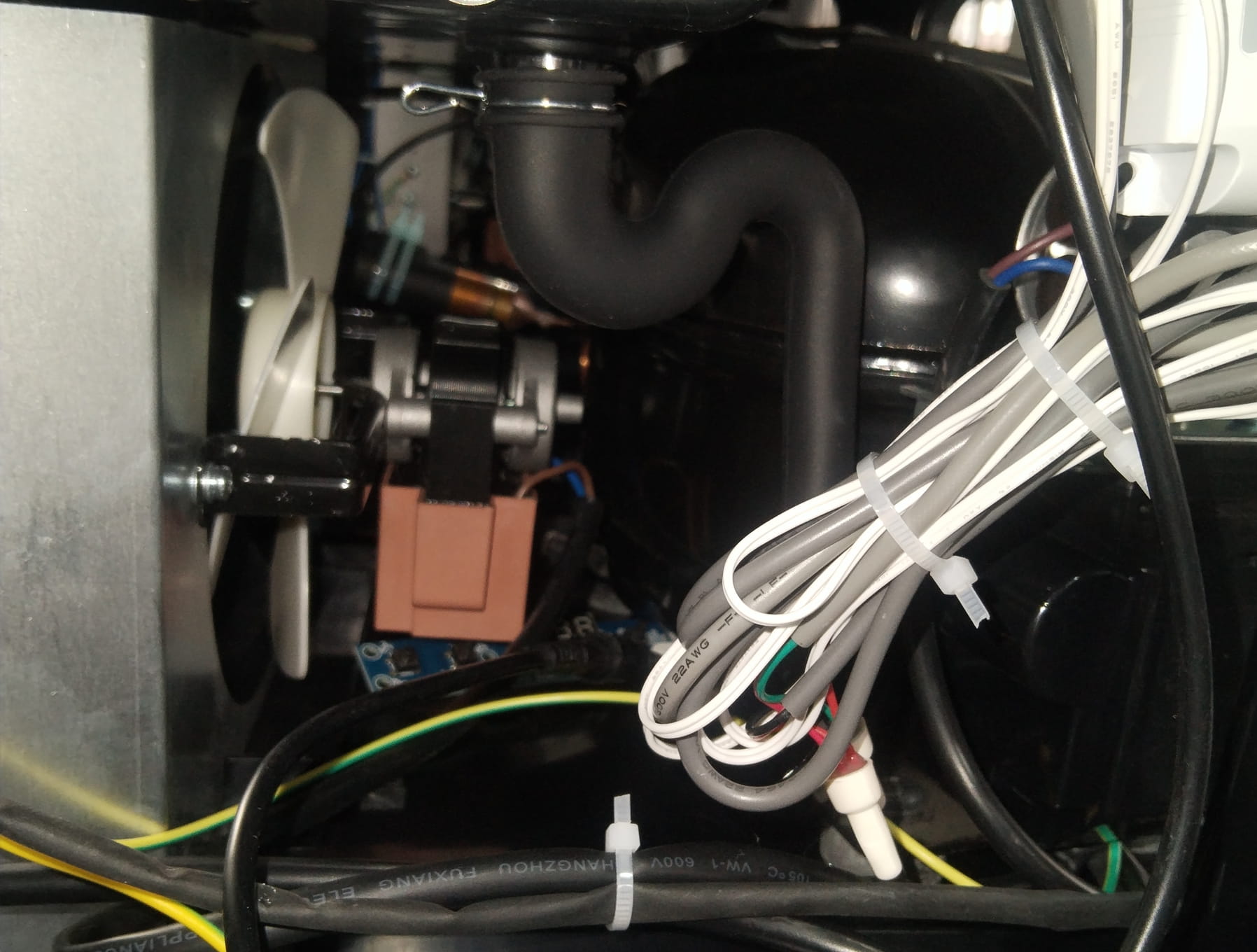
Auto defrost & drainage system
Manual defrost wastes labor time and disrupts shop operation. A fully automatic defrost system with reasonable drainage avoids water accumulation and bacterial growth.
Energy rating & noise level
Display refrigerators operate 8–16 hours daily throughout business hours. Units with high energy efficiency effectively reduce long-term operational electricity expenses. A low-noise operating design maintains a comfortable indoor shopping and dining atmosphere for customers.
Local after-sales & spare parts availability
Global brand fame means nothing if local technicians cannot repair the unit or spare parts require months of shipping delay. Local support determines your shop’s anti-risk capability.
Step 4: Red Flags to Spot Sponsored & Biased Review Content
To avoid falling into marketing traps, learn to identify biased paid articles about cake display fridge for bakery. Any content with the following signs is not trustworthy for purchasing reference:
Overuse of absolute descriptive terms such as “top-tier”, “perfect”, and “flawless”, with no objective analysis of product limitations or operational drawbacks.
Severe one-sided evaluation: only praises a single brand and deliberately belittles all competitors without technical evidence.
Focuses heavily on appearance, lighting, and exterior design while skipping core parameters like humidity control, temperature stability, and compressor performance.
No mention of maintenance difficulty, failure rates, spare part costs, or real user negative feedback.
Hides or removes comment sections, or only displays curated five-star reviews without authentic user discussions.
Step 5: Pre-Inquiry Buyer Checklist (Avoid Post-Purchase Regrets)
Before sending quotes to suppliers, confirm all items on this checklist to eliminate hidden risks:
Exact measurement confirmation: Verify external dimensions, internal display space, and door opening range to avoid installation mismatch.
Certification verification: Confirm NSF, CE, or local food safety certification to comply with retail business regulations.
Installation conditions: Confirm power load requirements, ventilation space, and drainage layout to avoid post-installation usability issues.
Long-term maintenance cost: Consult suppliers about regular maintenance cycles, cleaning requirements, and common component replacement fees.
Clear warranty terms: Confirm warranty duration, compressor exclusive warranty policy, and covered free repair scope (many brands exclude labor fees and accidental damage).
Step 6: Targeted Recommendations by Shop Type
Based on actual bakery operation scenarios, here are practical, unbiased matching suggestions for different business scales:
Small Home Bakeries & Pop-Up Stores
Prioritize cost-effective, flexible entry-level or mid-range compact models. Focus on basic anti-fog function and stable temperature control. There is no need to pursue high-end heavy-duty performance, as low operating hours and small product turnover make premium features unnecessary. Mobile casters and easy cleaning design are plus points.
Mid-Size Retail Bakeries & Neighborhood Cafés
Mid-range brands are the most cost-effective choice. Balance reliable humidity control, stable air cooling, and affordable after-sales costs. Prioritize models with complete certifications and locally available spare parts to ensure long-term stable daily operation.
High-End Patisseries & Urban Luxury Cafés
Choose premium heavy-duty display cases. Precise temperature and humidity control protect high-value handmade mousses and custom cakes. Stable all-day operation, excellent anti-fog performance, and high-grade display lighting enhance brand presentation, matching high-end store positioning.
Selecting a qualified refrigerated bakery showcase is never determined by brand popularity or high pricing alone. Experienced bakery operators prioritize practical technical performance, operational compatibility, and reliable local after-sales support over exaggerated brand marketing reputations. Most online equipment rankings and review articles are commercially motivated, failing to reflect authentic long-term user experience and real operational performance.
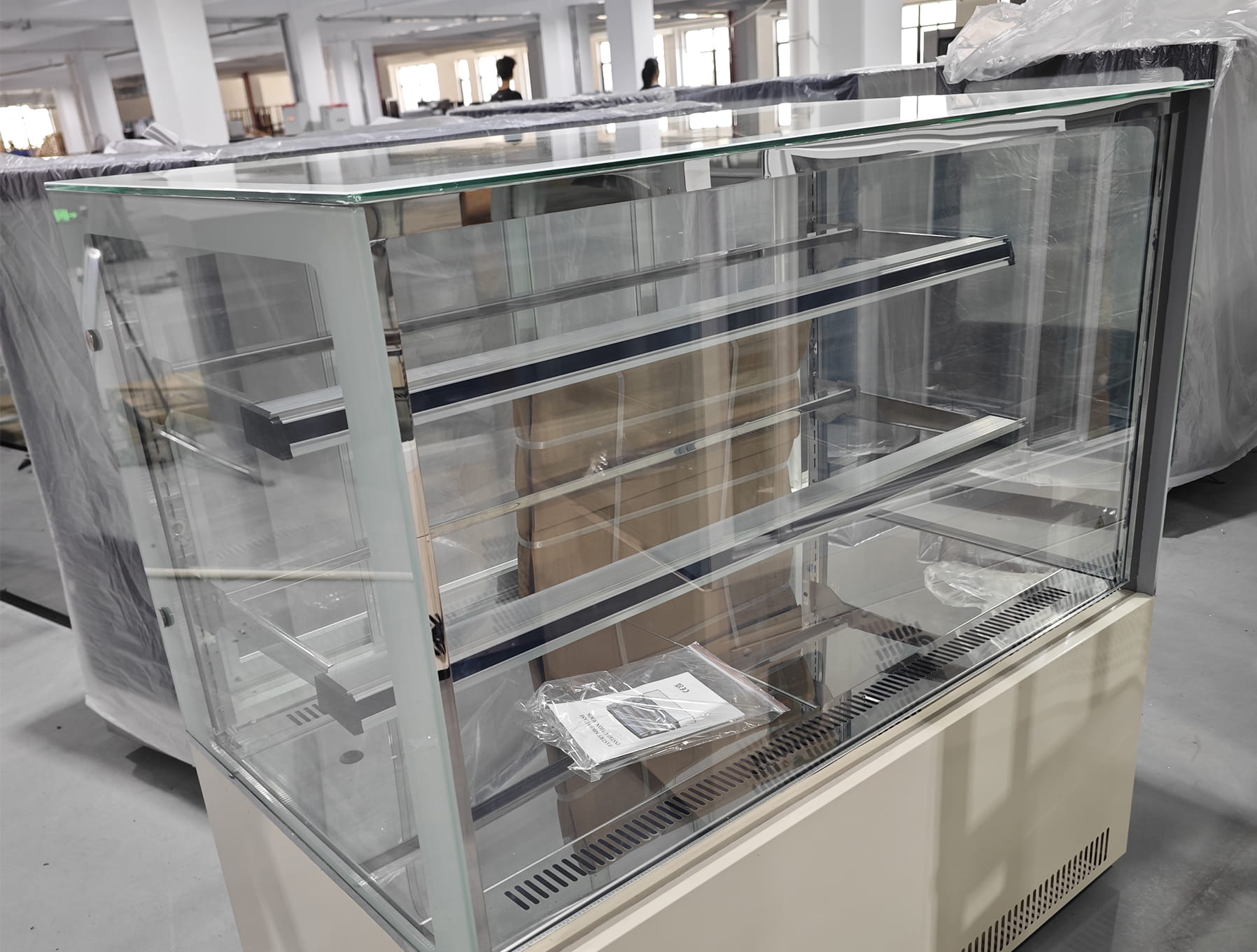
When sourcing bakery display refrigeration equipment, it is critical to filter out marketing hype, verify core technical parameters, and refer to authentic feedback from active bakery operators to match the unit with your product types, store environment, and budget. For operators seeking flexible, scenario-matched solutions, Cooluma offers a comprehensive range of commercial pastry display case specifications, covering compact countertop models for home bakeries and pop-ups, mid-size standard units for neighborhood cafes, and high-performance full-size showcases for premium patisseries. Each series is engineered to balance stable temperature and humidity control, reliable anti-fog performance, and cost-effective operation, catering to the diverse daily display and preservation needs of various bakery business scales. Adhering to this practical selection logic helps you invest in durable, high-value refrigerated bakery display equipment that boosts product sales and reduces operational losses effectively.
Most popular More «
-
How to Choose a Supermarket Display Cooler for Buyer's Guide
-
How to Judge a Cooler Factory by Its Foaming Equipment?
-
R290 or R600a for Cake Display Refrigerators?
-
Is it expensive to customize light strips for cake display chiller?
-
Selection Guide for Shelving Systems of Refrigerated Beverage Display Cabinets
-
How to Control the Procurement Cost of Open Refrigerated Display Cabinets for Supermarkets
-
Air vs Direct Cool Cake Cabinets Advantage and Disadvantage
-
How to Choose an Open Display Cooler for Your Fruit Store?
-
What Is the Standard Temperature for Dessert Display Cabinets?
-
Top Compact Upright Display Cooler for Retail Businesses

