









Considering a vintage-style countertop bread display case? Check these 5 details
Countertop display cabinets are essential equipment for bakeries to showcase bread, serving as key vehicles for brand image. A vintage-style display cabinet embodies rich local cultural elements. However, when customizing, pay attention to five critical details—avoid making choices blindly. You need to understand these points.
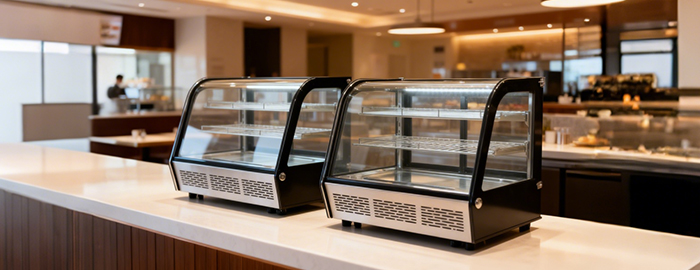
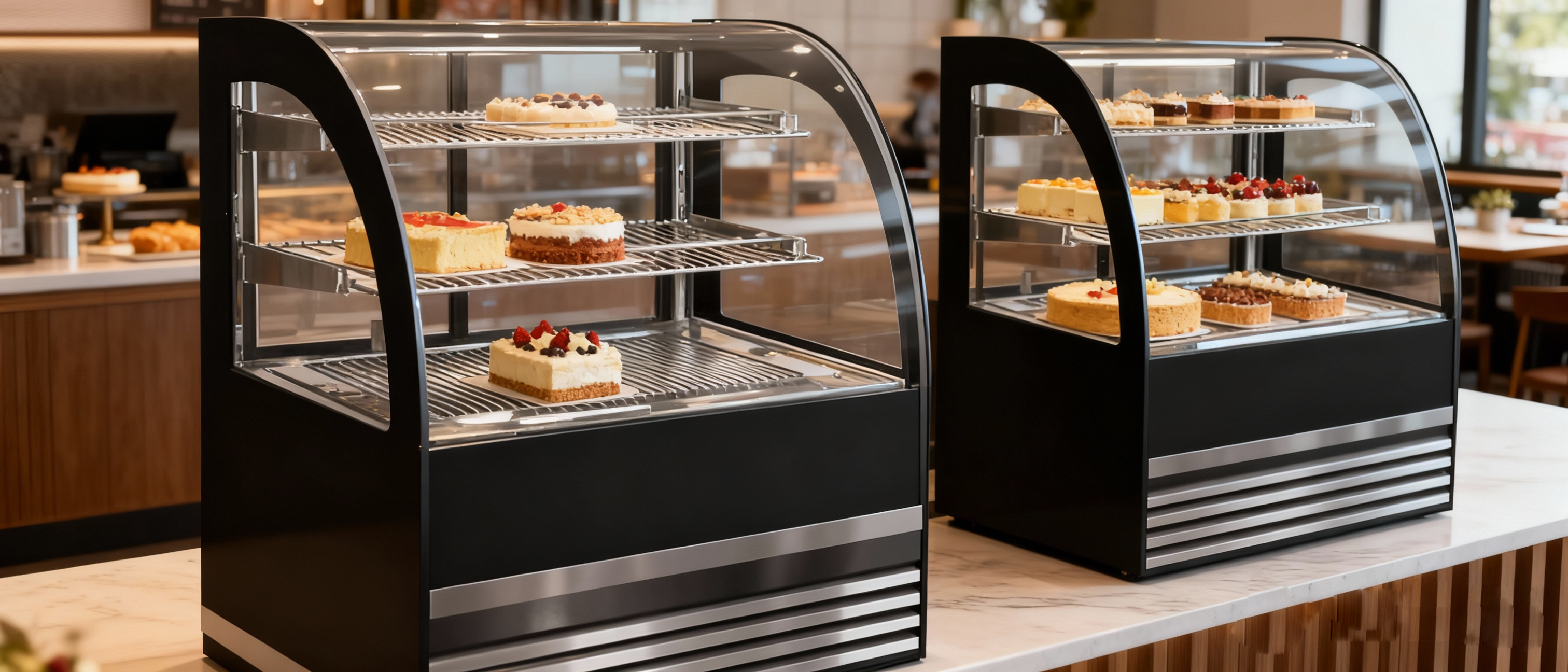
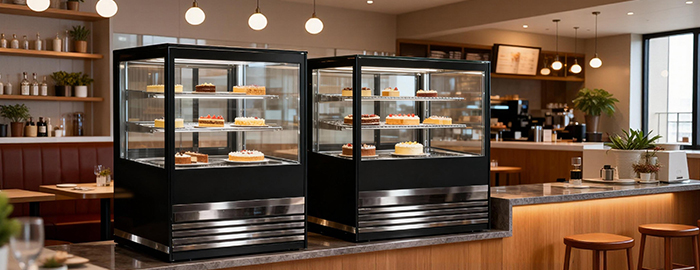
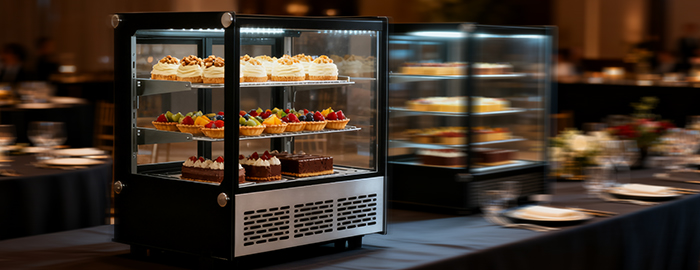
When it comes to appearance, the “soul” of different vintage bread display cabinets has never been the surface wood grain stickers or distressed metal. Instead, it's about “aesthetics complementing function, style serving the bread.” If you're selecting a countertop vintage model for your coffee shop or neighborhood bakery, master the key points below.
I. Distinguishing Authentic Vintage from Imitation Trends: 3 Material Details Define Character
Many “vintage cabinets” on the market today are merely standard display cases repainted in retro colors. Placing European-style bread inside feels like pairing a suit with sneakers—utterly incongruous. The essence of true vintage lies in “materials and textures that complement bread's character.” Keep these three details in mind:
1. Cabinet Material: Reject “wood-grain stickers”; choose “breathable” solid wood veneer
The warmth of vintage style comes from wood's natural grain, but solid wood cabinets are too heavy and prone to moisture damage (bread cabinets are surrounded by steam). The best value is “solid wood veneer + moisture-resistant panels.” When selecting, lightly scratch the cabinet surface with your fingernail. Sticker-coated options will show obvious scratches, while veneered ones reveal the wood grain's natural texture. Open the cabinet door and smell it—poor-quality particleboard emits a pungent glue odor, while good veneered cabinets have only a faint woody scent.
I currently use a white oak veneer cabinet paired with the deep brown of whole wheat bread. Photos look high-quality even without filters, and customers often remark, “Just seeing the cabinet makes the bread look fresh.”
2. Decorative Elements: Brass > Wrought Iron > Plastic – Small Details Reveal Quality
The crowning touch of vintage designs lies in metal accents, but don't be fooled by “gold.” The truly durable and attractive choice is “antique brass trim”—featuring subtle oxidation marks along the edges, not shiny industrial gold. It has a matte texture to the touch and won't peel off after three months like gold-plated plastic.
Additionally, opt for “brass matte finishes” on small components like cabinet hinges and handles. They open and close without harsh squeaks and create a warm-cool balance with the wheat hue of bread, appearing more sophisticated than glossy metals.
3. Glass Style: Long-wave Glass > Clear Glass – Translucent, Not Transparent, for Enhanced Sophistication
Choosing the right glass for vintage cabinets can boost bread's visual appeal by 30%. Prioritize “long-rain glass with frosted finish”: Vertical textures soften light, highlighting Danish pastry layers and baguette cracks while concealing minor imperfections (like slight surface browning) better than clear glass.
Avoid glass with “colored coatings.” While visually distinctive, these coatings alter the bread's natural color, creating a mismatch between what customers see and what they receive—leading to disappointment.
II. Never Compromise Core Functionality: Vintage Models Must ‘Pamper’ Bread
No matter how stylish, a bread cabinet's fundamental purpose is “freshness preservation.” Retro models are often criticized as “all style, no substance,” but this stems from neglecting these two core functionalities:
1. Temperature Control: Choose “Precise Constant Temperature” based on bread type—don't trust “Room Temperature Preservation”
Different breads demand vastly different temperatures. The temperature control precision of countertop cabinets directly determines bread shelf life:
- Danish pastries, croissants, and other laminated doughs: Must use 0-10°C refrigerated models with temperature fluctuations not exceeding ±2°C. Otherwise, butter layers will melt, resulting in a sticky, unpleasant texture;
- Soft European-style breads, toast, and other fermented items: Room-temperature models maintaining 15-22°C (59-72°F) are sufficient. The key is stable temperature to prevent sudden fluctuations that cause bread to dry out and harden;
- Hard breads like bagels and pretzels: Non-refrigerated constant-temperature cabinets are acceptable, but must include humidity control to prevent crust cracking.
When purchasing, don't accept sales claims like “vintage models are just like this.” Always check if the temperature control panel offers “1°C precision” adjustment. Opt for models with “temperature alarm” to prevent bread spoilage from compressor failure.
2. Humidity: “Higher isn't always better” – match bread types to humidity ranges
Many discover bread “molds quickly” after buying vintage cabinets, often due to improper humidity settings. Quality countertop cabinets offer either “adjustable humidity” or “fixed humidity.” Select based on bread type:
Soft breads (like dinner rolls or mini loaves) thrive at 60%-70% humidity. Too wet makes them sticky; too dry causes crumbling. Harder breads (like baguettes or pretzels) benefit from 40%-50% humidity, keeping crusts crisp without becoming tough.
Avoid vintage cabinets without humidity control, especially in humid southern regions. Cabinets lacking dehumidification will cause bread to rehydrate quickly. In dry northern areas, models with humidification are necessary.
III. Practical Scenarios: Small Details Determine Usability—Don't Sacrifice Functionality for Style
The “practicality” of countertop cabinets lies in their usage scenarios. Many vintage designs prove cumbersome due to poor ergonomics. Consider these three scenario details beforehand:
1. Dimensions: Measure countertop first, then select cabinet, reserving “working space”
Countertop cabinets aren't about “bigger equals more storage.” Calculate two critical dimensions first:
First, countertop weight capacity: Vintage cabinets often feature solid wood and metal components, making them heavier than standard units. Verify countertop weight limits beforehand (generally recommended under 50kg) to prevent collapse.
Second, allow clearance: Leave at least 10cm on both sides for heat dissipation (especially crucial for refrigerated models). Ensure cabinet doors don't obstruct counter space or pathways when open. Sliding doors save more space than hinged ones, making them ideal for compact kitchens.
I once fell into the “perfect fit” trap—the cabinet pressed against the coffee machine, causing poor heat dissipation and frequent compressor failures. After switching to a model 10cm smaller, it actually became more convenient.
2. Cleaning: Vintage doesn't mean “hard to maintain.” Choose “dead-angle-free design.”
Bread cabinets require daily cleaning. Vintage models' “aesthetic blind spots” often become “cleaning challenges.” Key considerations when selecting:
- Does the interior feature a “seamless liner”? This prevents bread crumbs from getting trapped in wood grain crevices. Opt for removable trays for easy washing.
- Does the glass door have “anti-fog functionality”? Temperature differences can cause fogging that obstructs visibility. Models with electric heating anti-fog features cost a bit more but eliminate the need for daily glass wiping.
- Whether metal components are “rust-proof”: Opt for brass or 304 stainless steel to prevent rust from bread crumbs and moisture, preserving the vintage aesthetic.
3. Display: Adjustable shelf heights accommodate various bread sizes
Display effectiveness is crucial for vintage cabinets, but avoid fixed shelves just for “symmetrical aesthetics.” Opt for “height-adjustable” shelves that flexibly accommodate bread sizes—raise them for baguettes, lower them for rolls, doubling utilization.
Additionally, opt for “open-design” shelves to facilitate airflow, preventing uneven temperature-induced spoilage of lower-tier bread while allowing light penetration for enhanced display.
IV. Pitfall Avoidance Summary: 3 Selection Formulas for Beginner-Friendly Choices
Finally, distilled into three core “selection formulas” for beginners to apply directly:
1. Style Formula: Solid wood veneer + Antique brass + Long-span glass = Authentic vintage texture. Avoid “sticker-on + glossy metal” imitation vintage styles;
2. Function Formula: Bread Type → Temperature Range (Puff Pastry: 0-10°C / Soft European Bread: 15-22°C) + Humidity Range (Soft Bread: 60%-70% / Hard Bread: 40%-50%);
3. Practical Formula: Countertop Load Capacity > Cabinet Weight + Reserve 10cm Ventilation Space + Seamless Interior + Adjustable Shelves.
The true charm of a vintage bread cabinet lies in showcasing bread within a temperature-controlled environment—not through ornate decoration, but through the seamless harmony of materials, functionality, and the bread itself. When chosen correctly, it transcends being merely a display case to become the most story-rich “face” of your shop.
Most popular More «
-
Air vs Direct Cool Cake Cabinets Advantage and Disadvantage
-
How to Choose an Open Display Cooler for Your Fruit Store?
-
What Is the Standard Temperature for Dessert Display Cabinets?
-
Top Compact Upright Display Cooler for Retail Businesses
-
SM15A Commercial Slush Machine Specification
-
Commercial Pastry Display Case Buying Guide for Bakeries & Cafés
-
Cooluma Ice Machines for Seafood Sections in Supermarkets
-
Cooluma Turnkey Coffee Shop Solution
-
How To Choose Commercial Display Freezer For Ice Cream Shop
-
Solutions to Glass Fogging & Water Dripping for Café Cake Display Fridges